Key Challenges of Fiber in the Home
High Sensitivity to Bending and Impact
Exposure to Everyday Household Hazards
Complexity in Installation and Handling
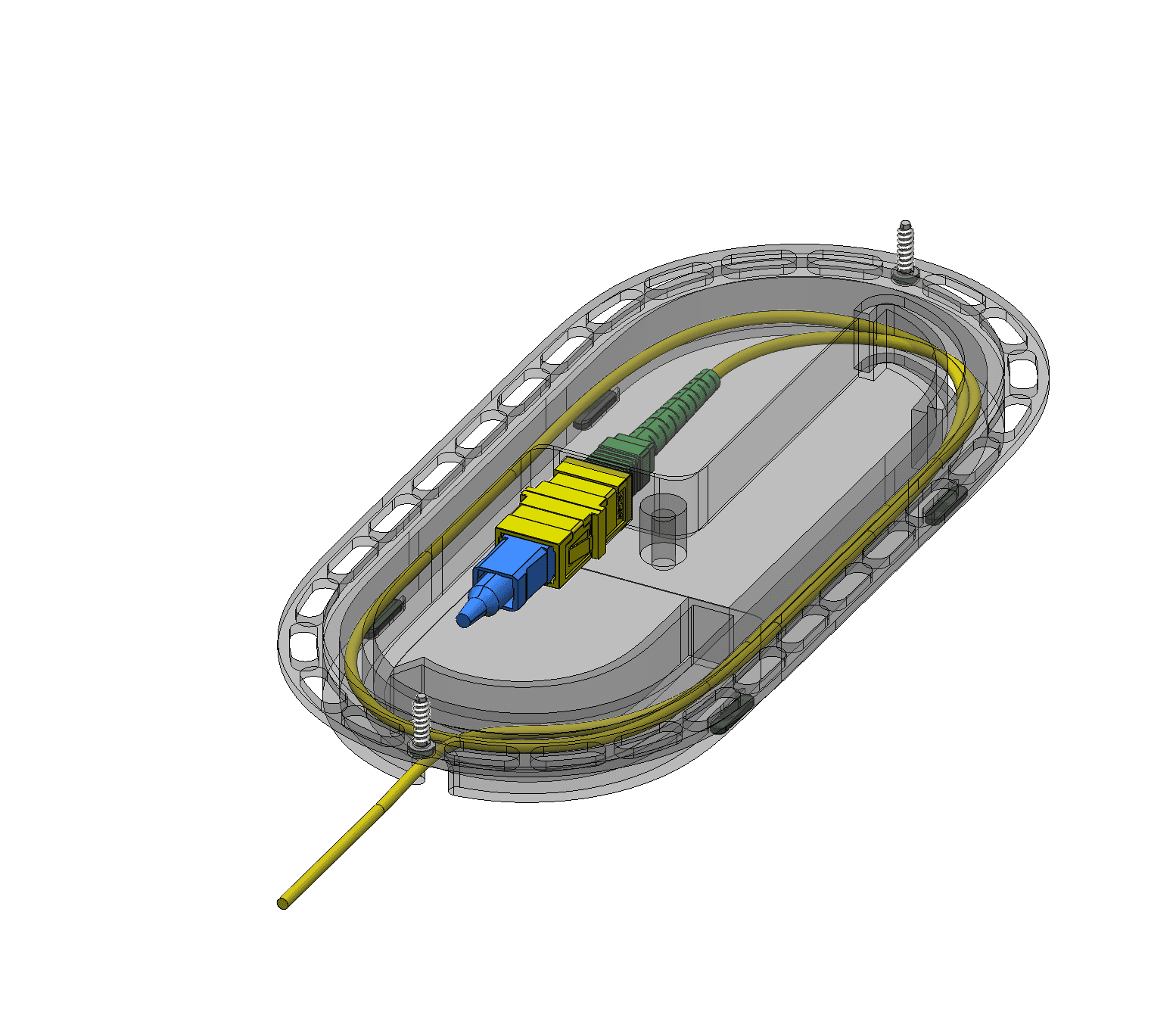
Fiber optic cables enable high-speed connectivity but
introduce a level of fragility that home environments
are not designed to accommodate. Fiber is highly sensitive
to tight bending radii and physical impact. In many homes,
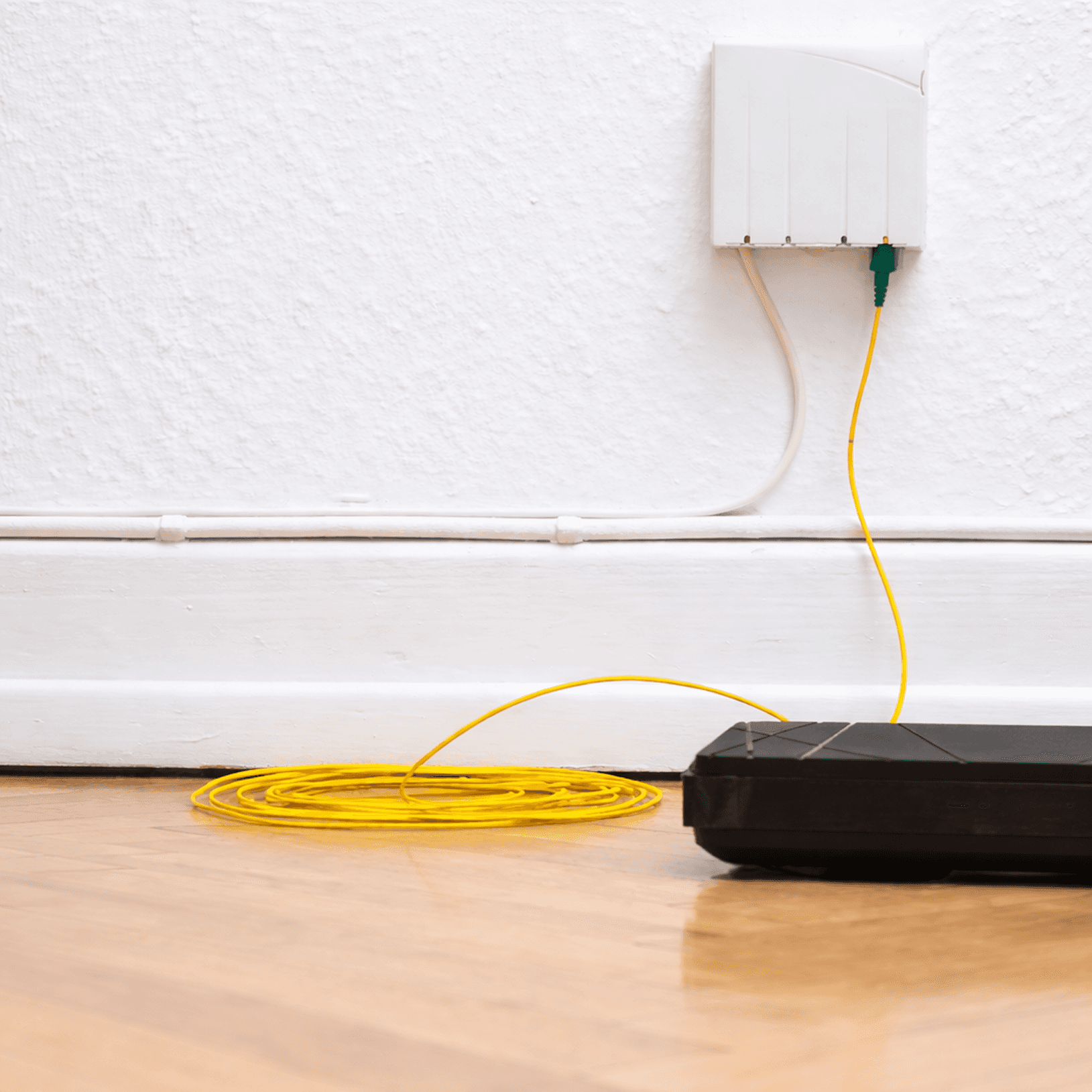
the fiber cable is left unmanaged, often exiting the ONT and
resting loosely on the floor. This exposes it to everyday hazards:
vacuum cleaners running over it, people stepping on it,
or pets interacting with it. These seemingly minor incidents
frequently result in damaged connections, leading to service
disruptions and costly technician visits for repair.
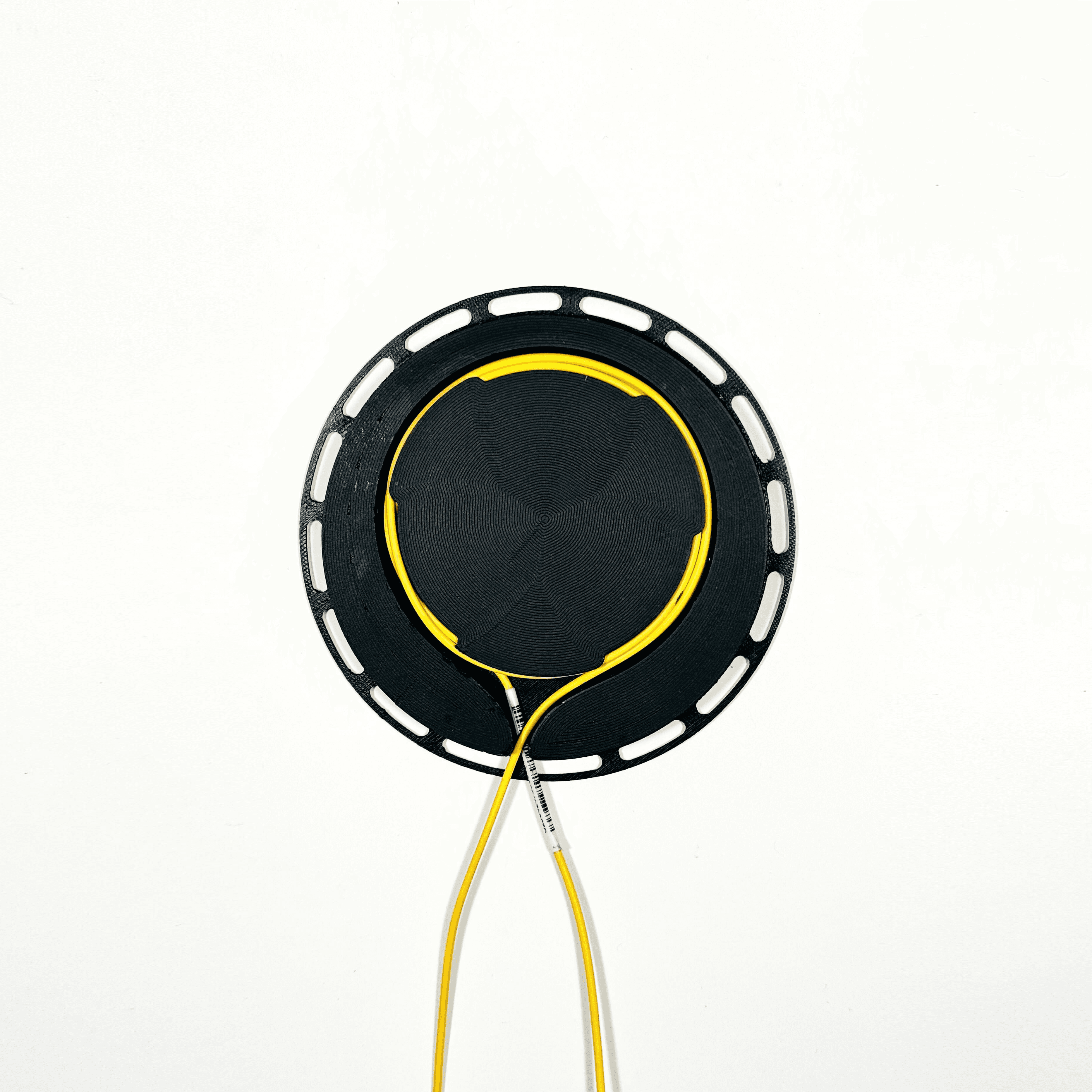
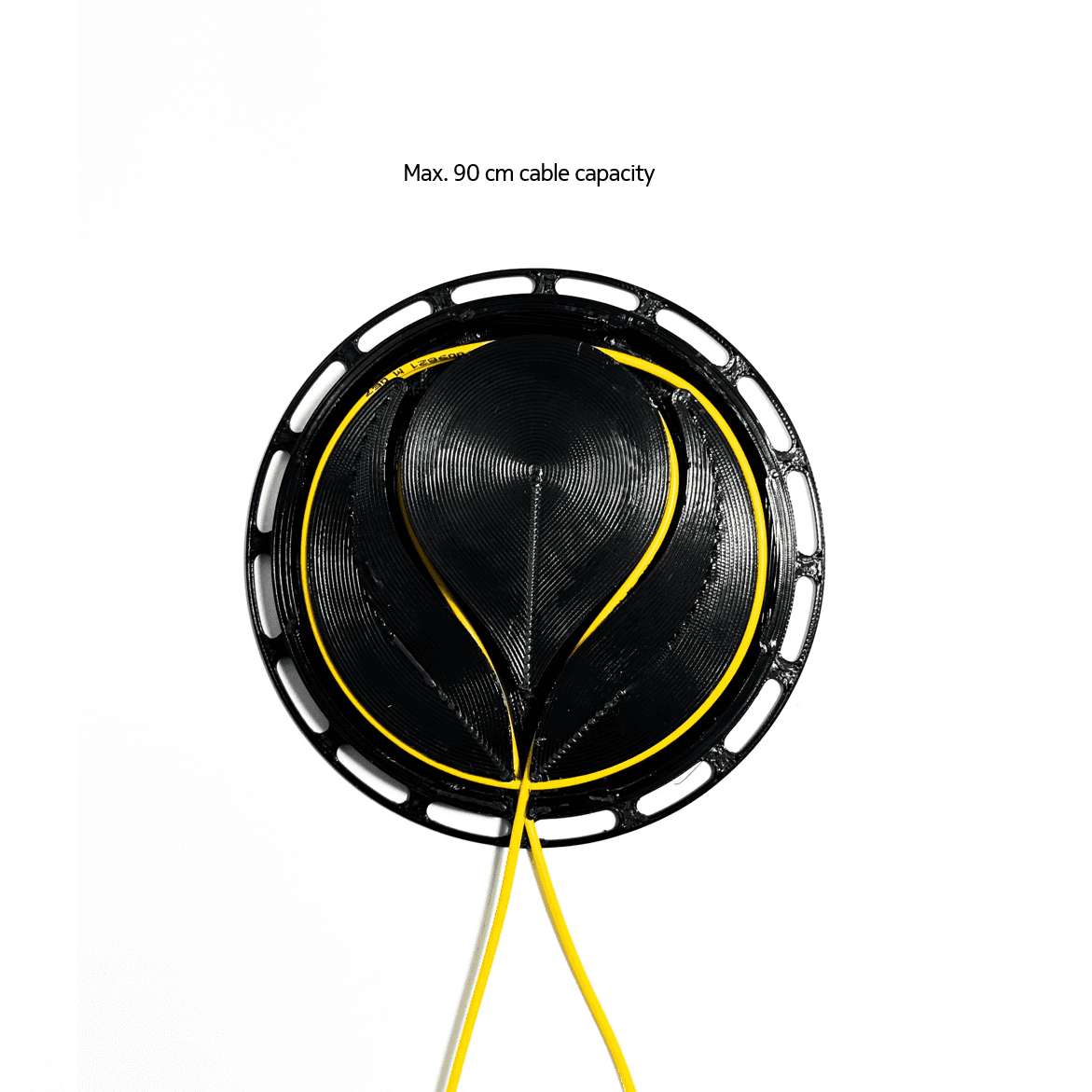
Fiber optic cables enable high-speed connectivity but introduce a level of fragility that home environments are not designed to accommodate. Fiber is highly sensitive to tight bending radii and physical impact. In many homes, the fiber cable is left unmanaged, often exiting the ONT and
resting loosely on the floor. This exposes it to everyday hazards: vacuum cleaners running over it, people stepping on it, or pets interacting with it. These seemingly minor incidents frequently result in damaged connections, leading to service disruptions and costly technician visits for repair.
Fiber optic cables enable high-speed connectivity but introduce a level of fragility that home environments are not designed to accommodate. Fiber is highly sensitive
to tight bending radii and physical impact. In many homes, the fiber cable is left unmanaged, often exiting the ONT and
resting loosely on the floor. This exposes it to everyday hazards: vacuum cleaners running over it, people stepping on it,
or pets interacting with it. These seemingly minor incidents frequently result in damaged connections, leading to service
disruptions and costly technician visits for repair.
Clarity Through Iteration
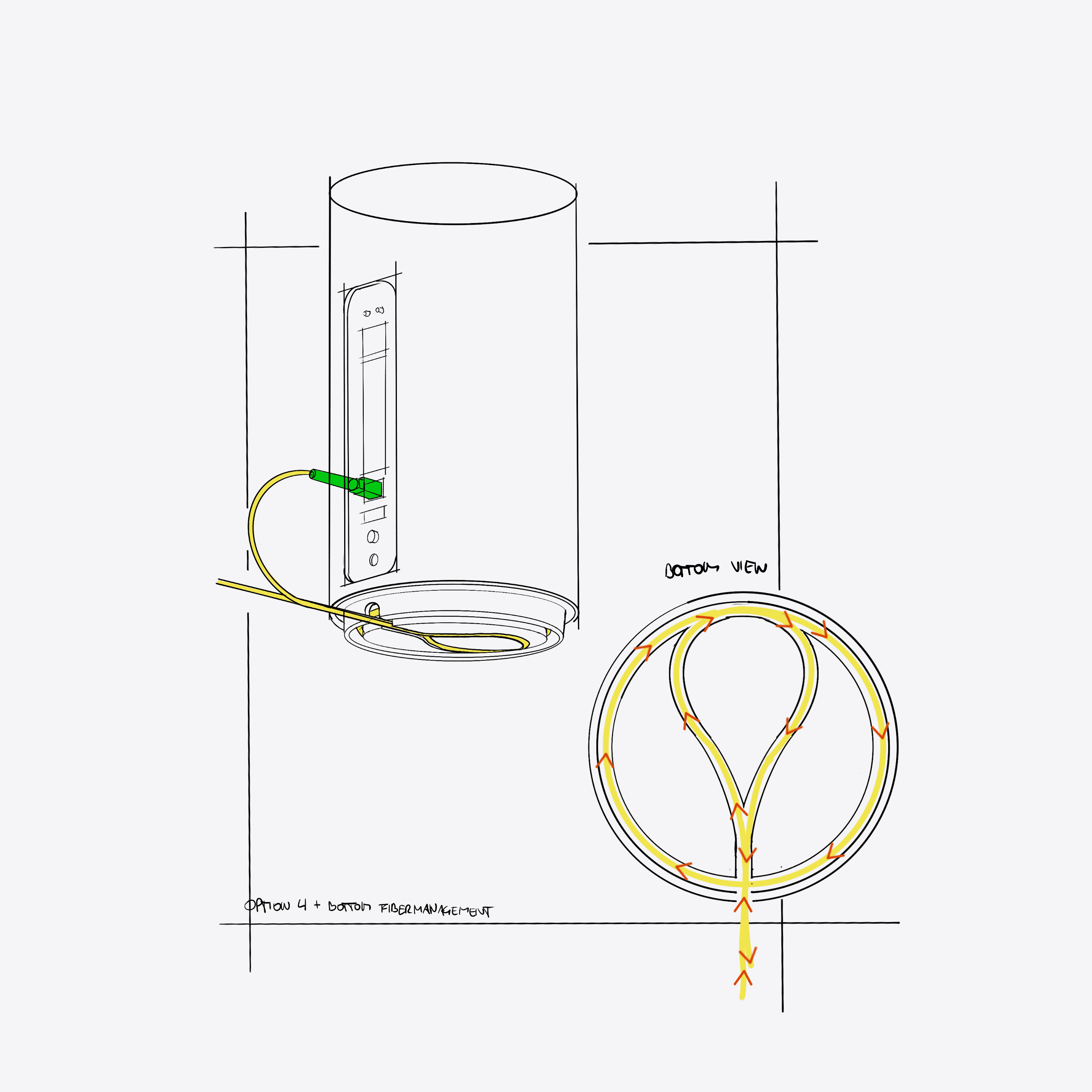
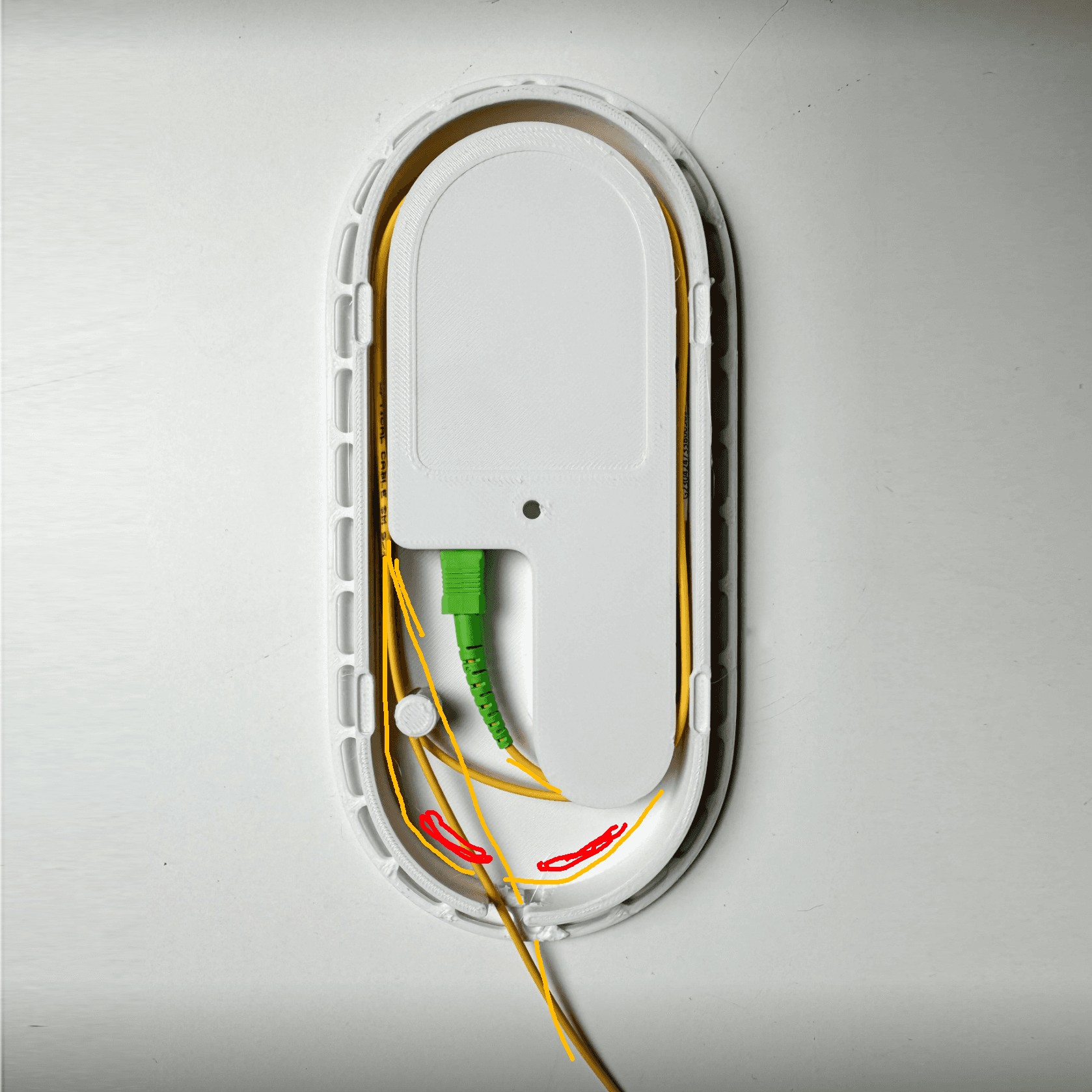
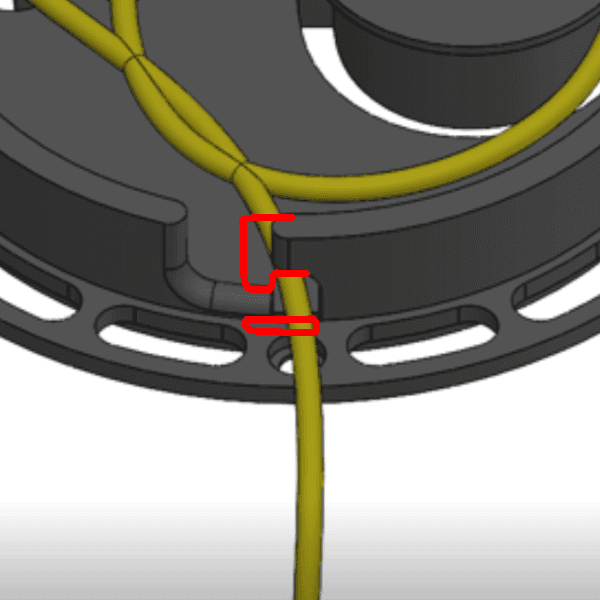
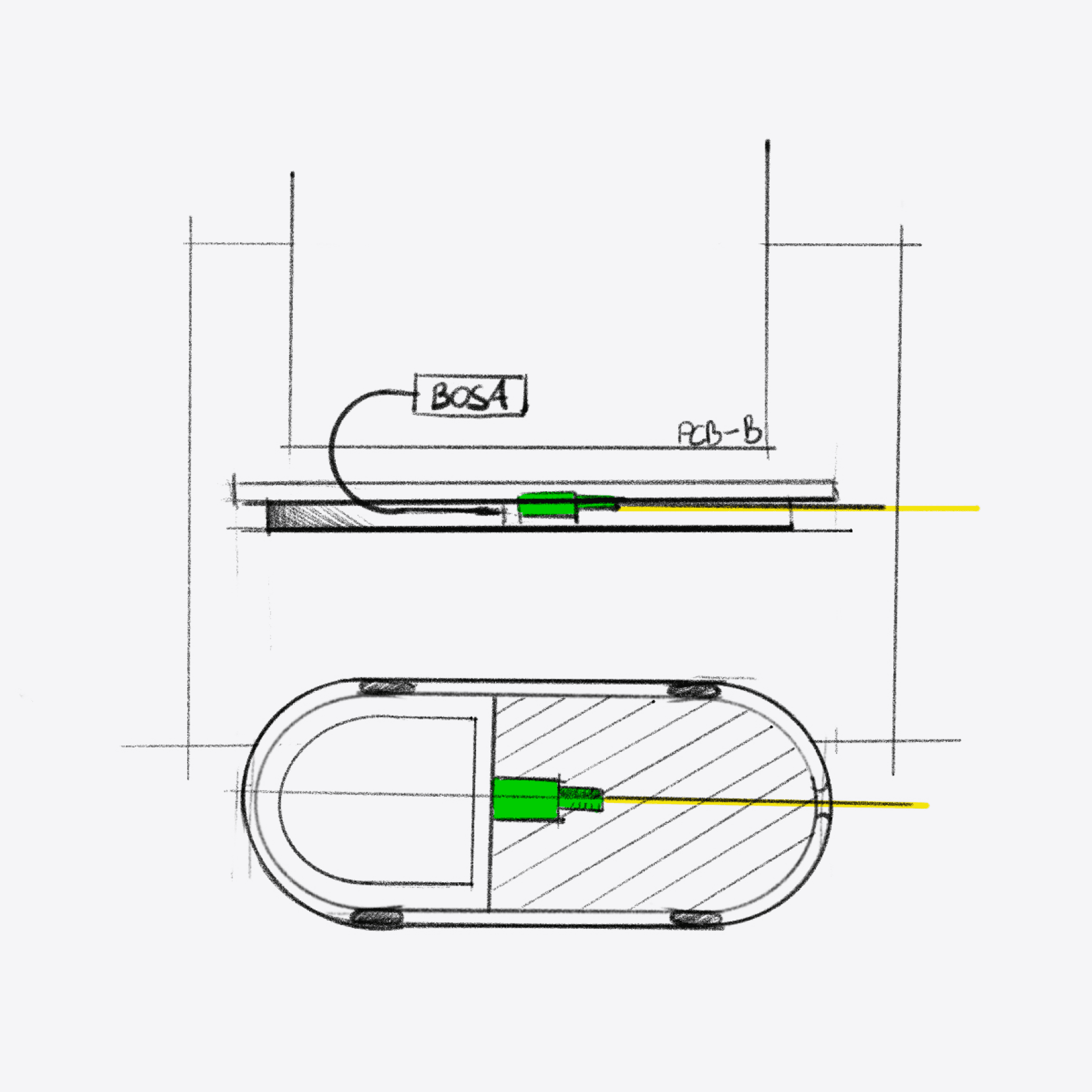
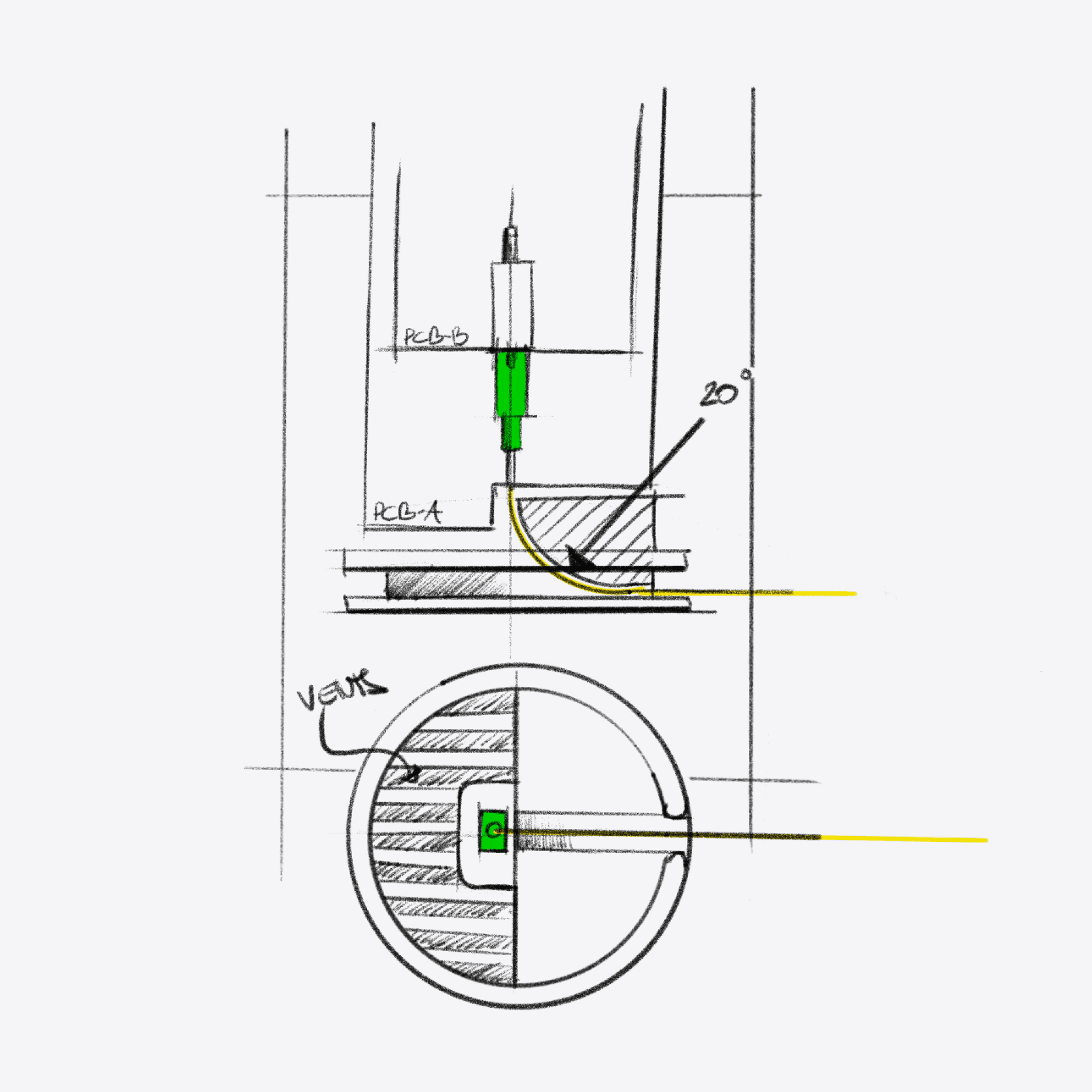
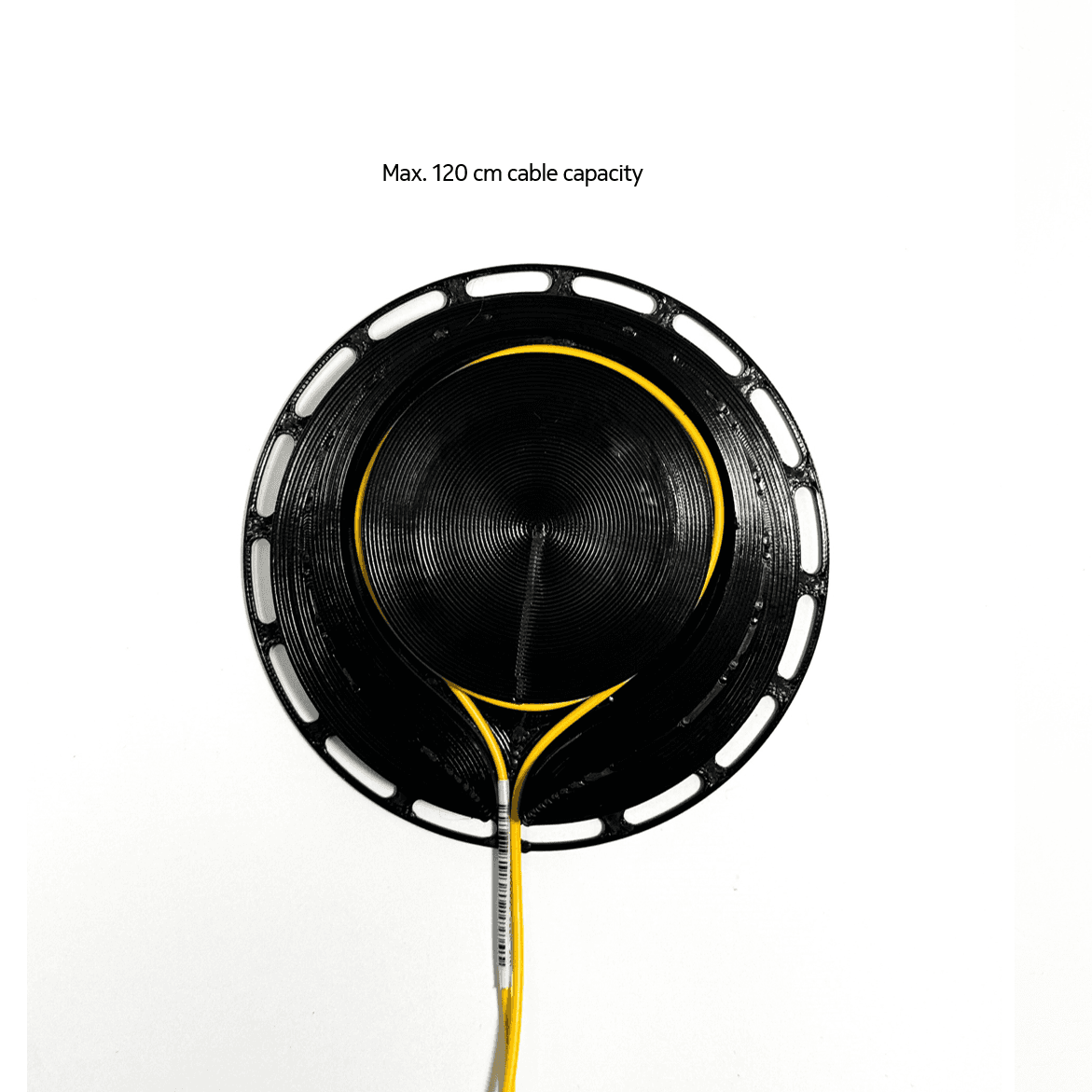
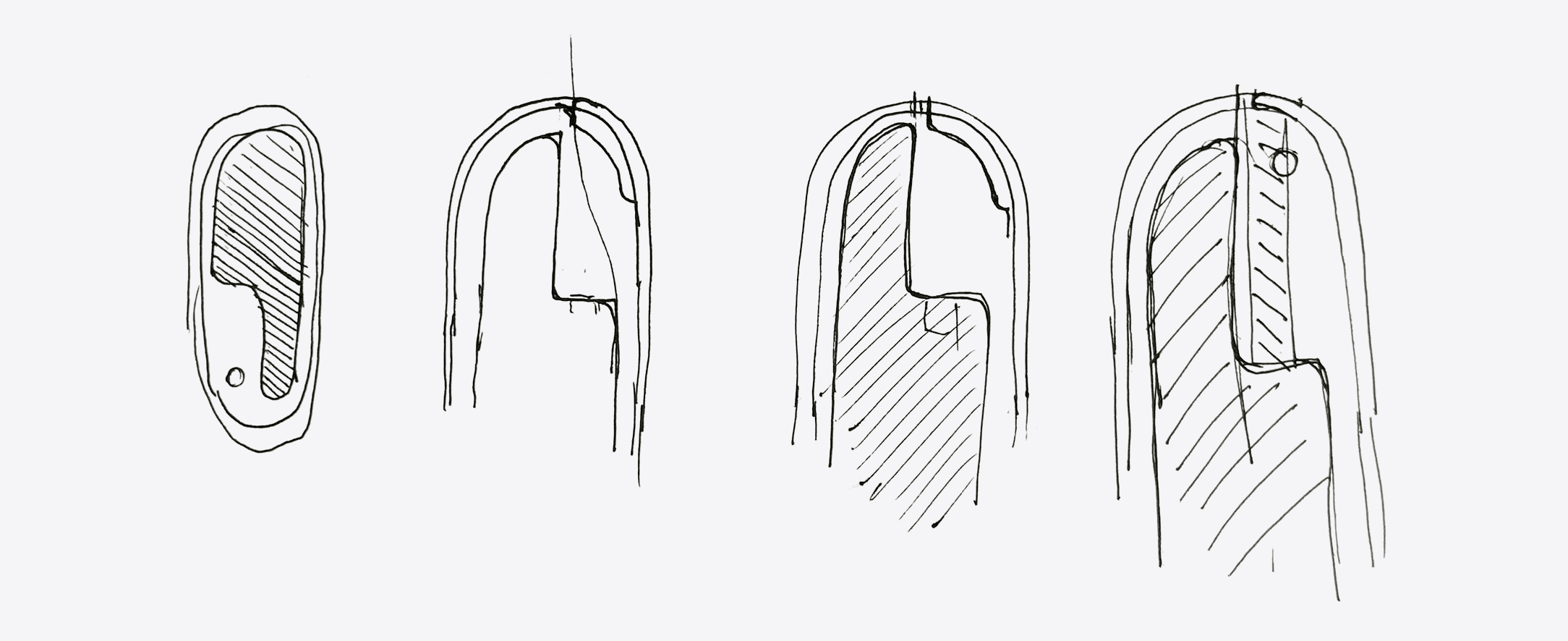
Designing for fiber meant designing within
limits. The cable defines what is possible its
bend radius, sensitivity, and behavior under
stress leave little room for error.
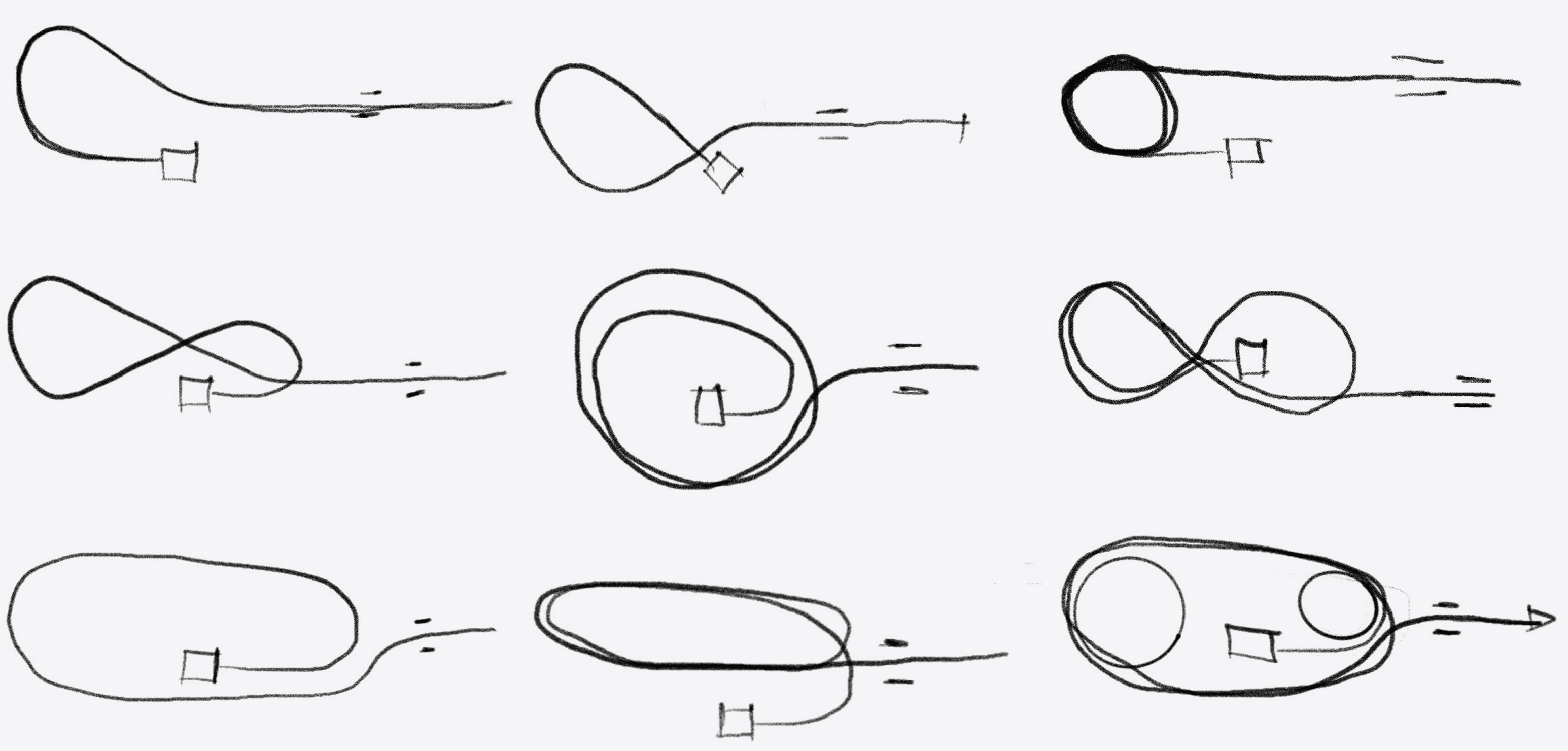
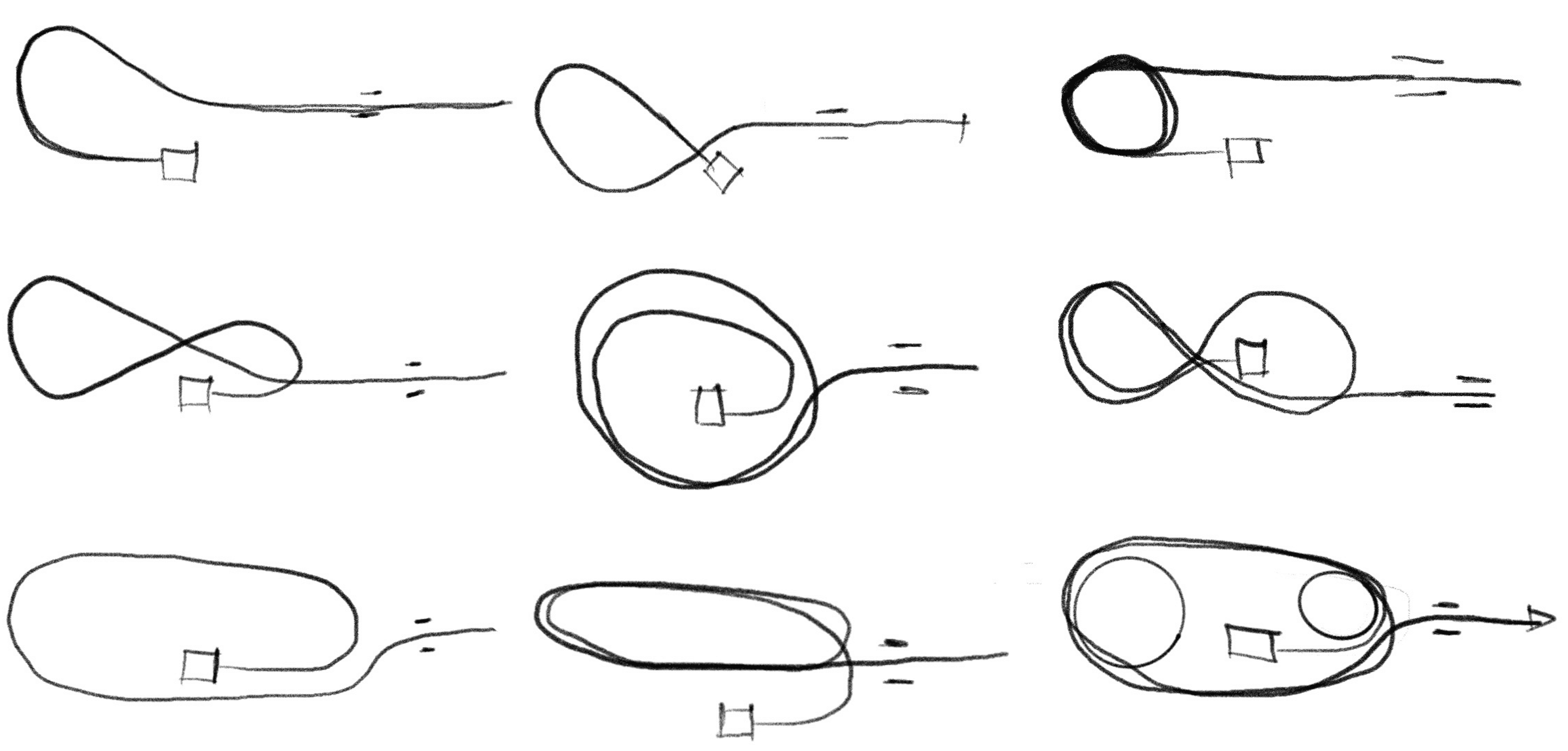
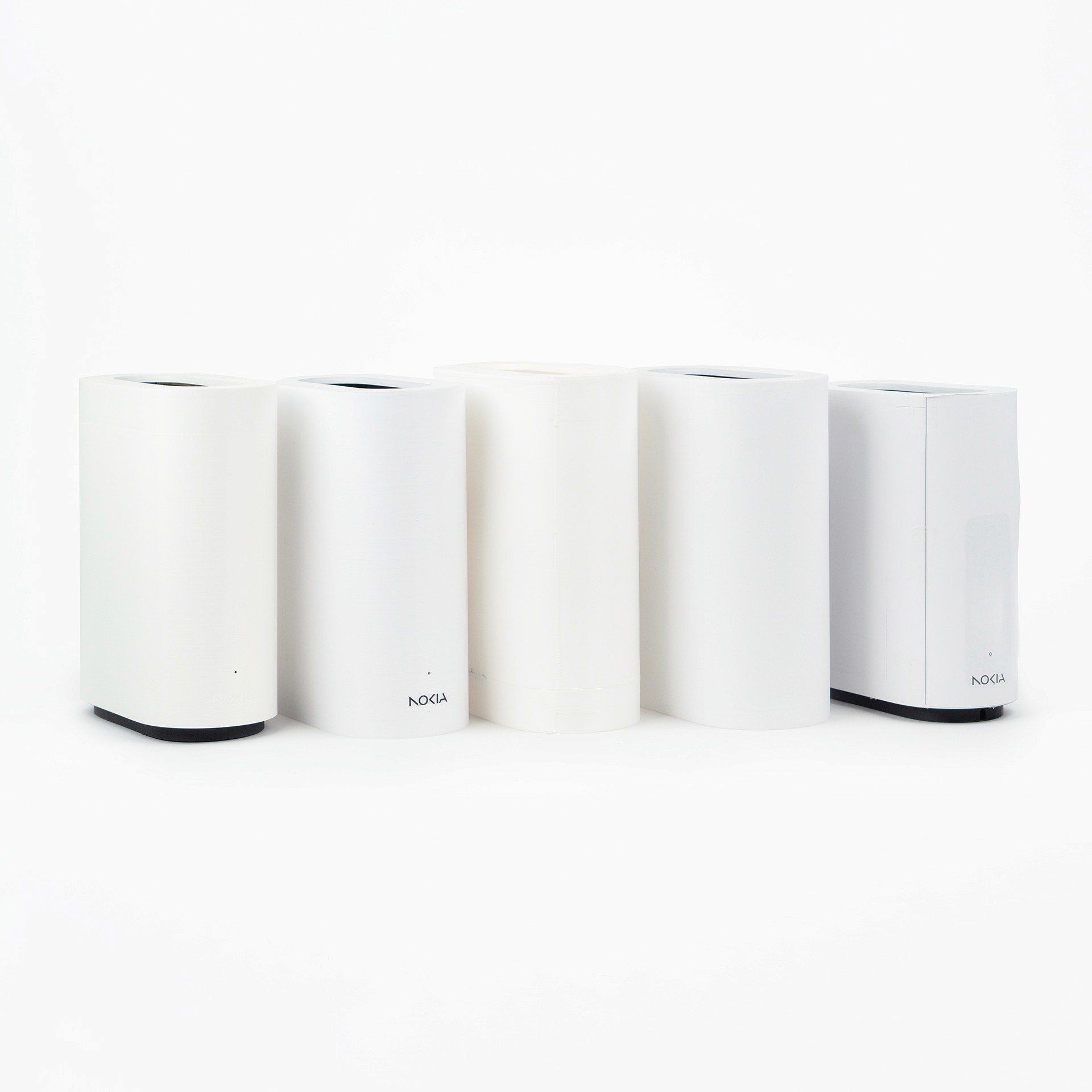
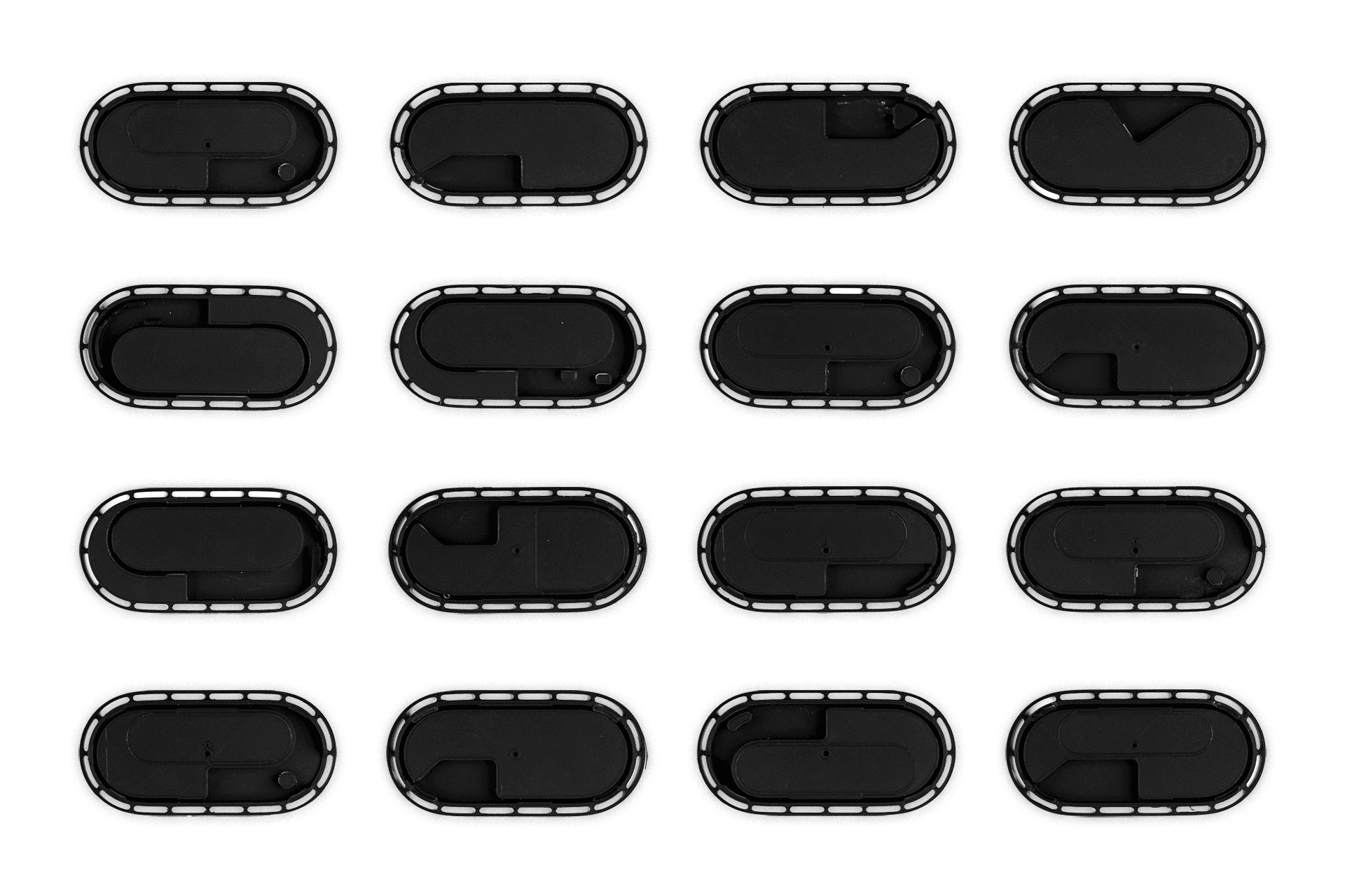
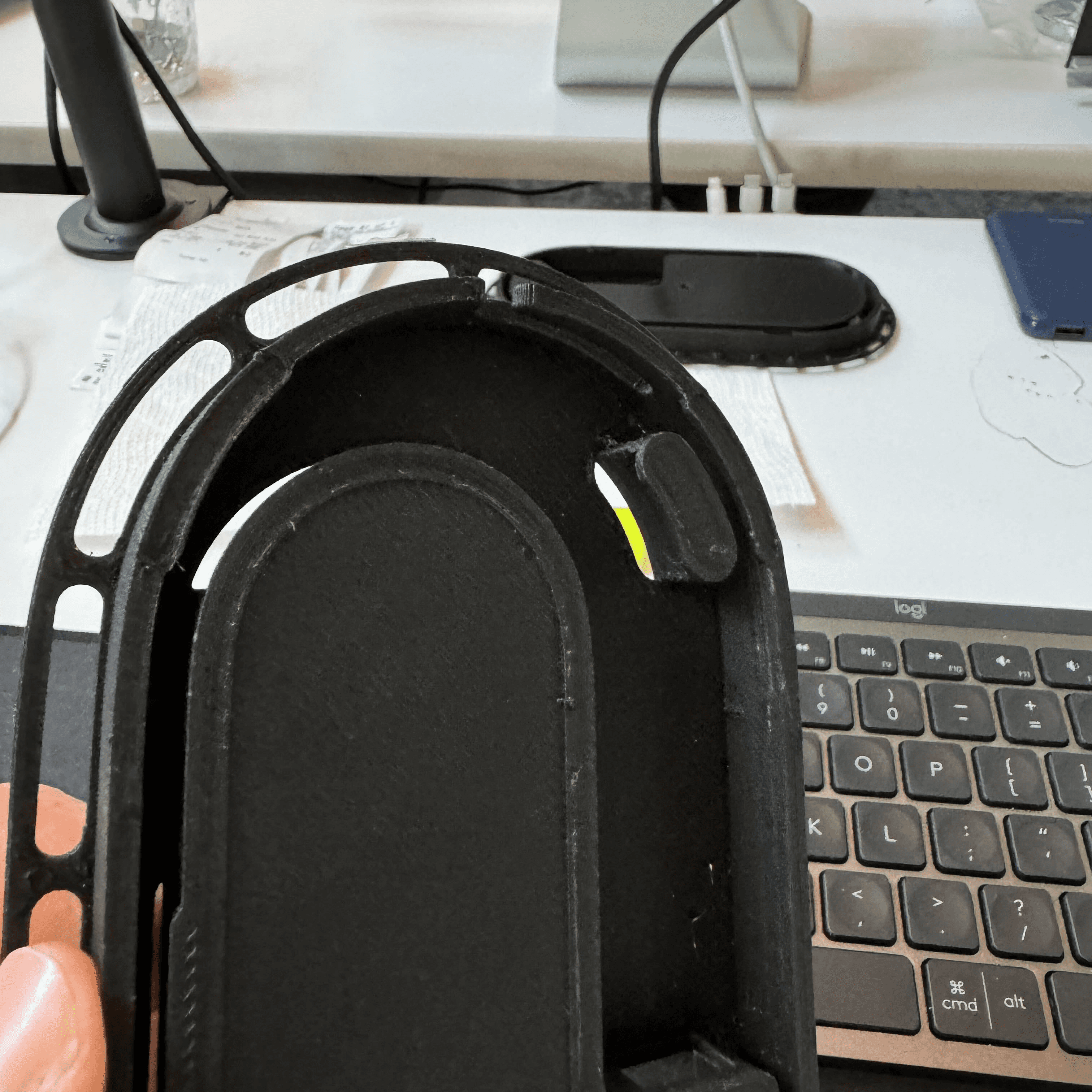
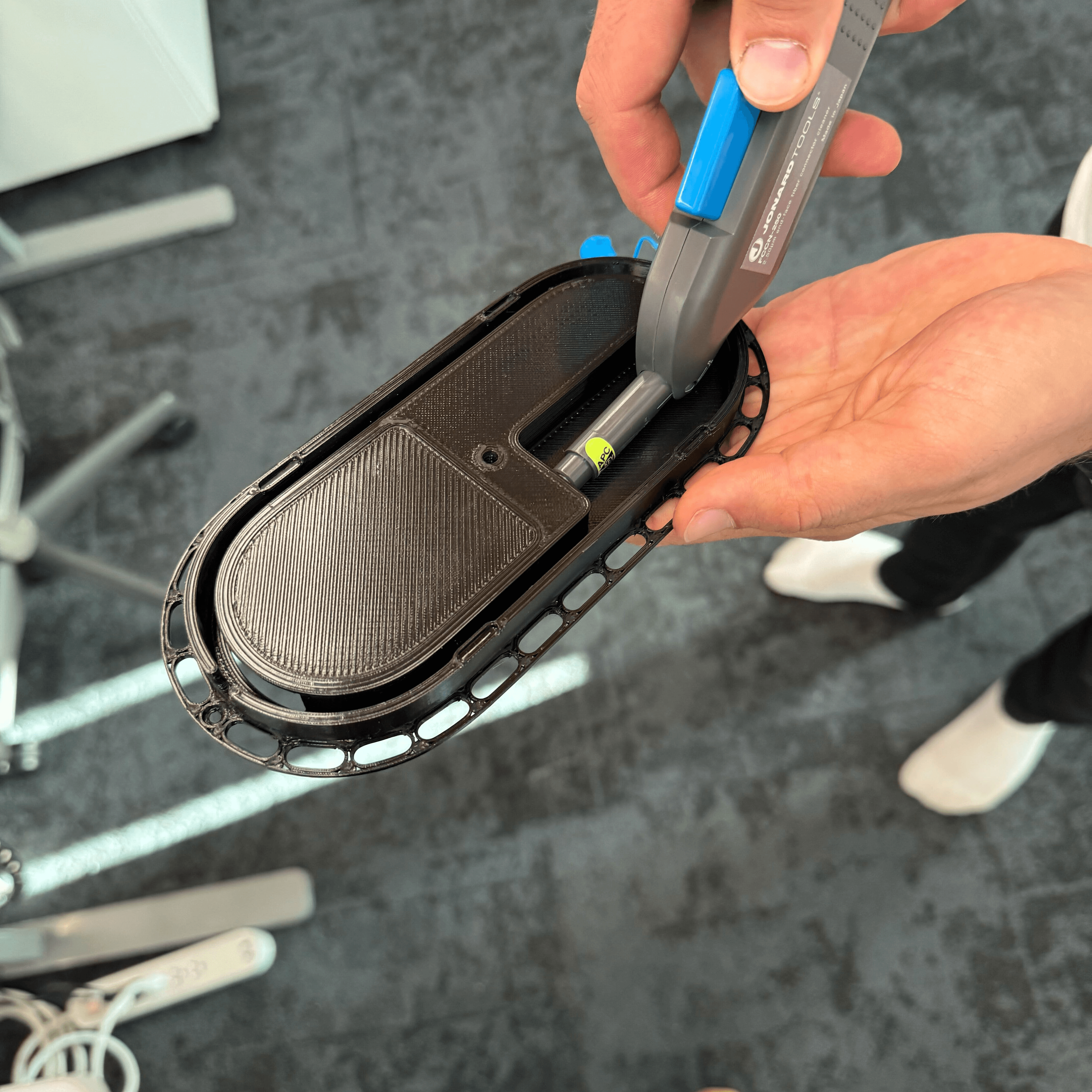
Using rapid 3D prototyping, we explored how
these constraints could be shaped into
something understandable and usable. Iteration
by iteration, different coiling approaches were
tested, revealing how form could guide correct
handling without the need for instruction.
What began as a technical challenge became
an exercise in clarity transforming a fragile
component into a system that naturally
communicates how it wants to be used.
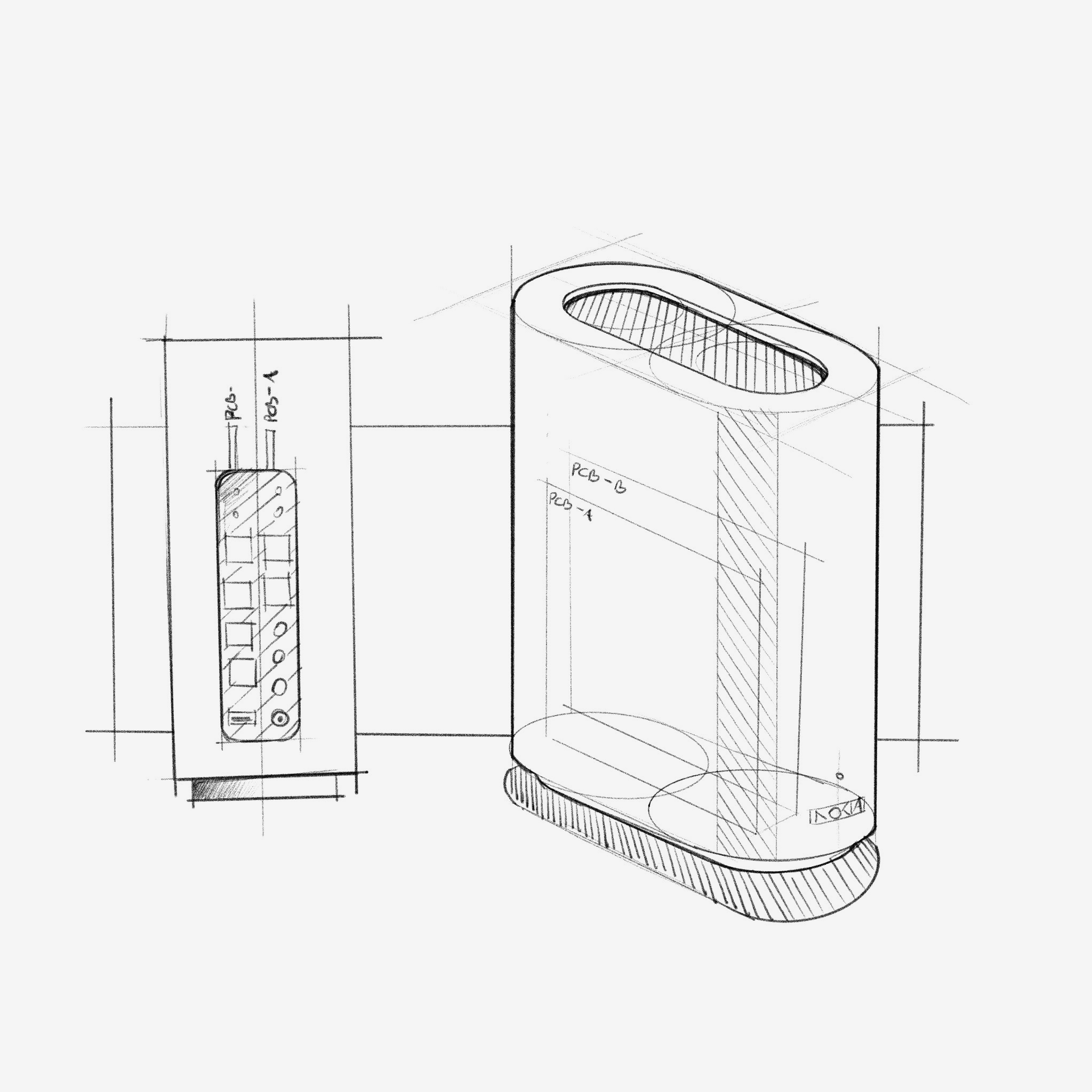
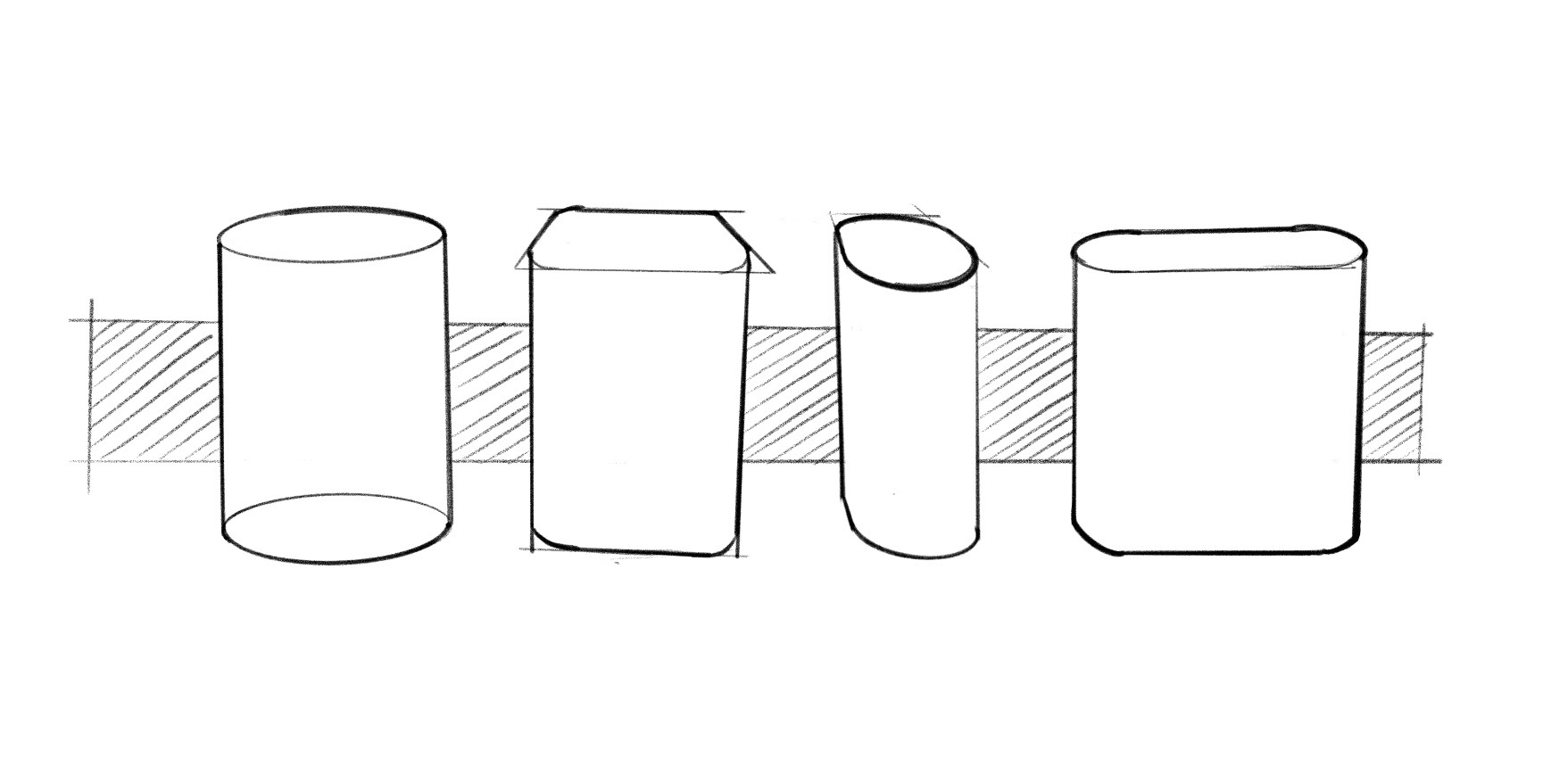
A four-section mold places parting lines
within the highlights of rounded surfaces,
rendering them invisible in typical viewing
conditions. The mold split allows for zero-degree draft angles on exterior surfaces preserve geometric purity. The result is crisp surfacing that reflects the design intent.


Quiet Performance Through Form
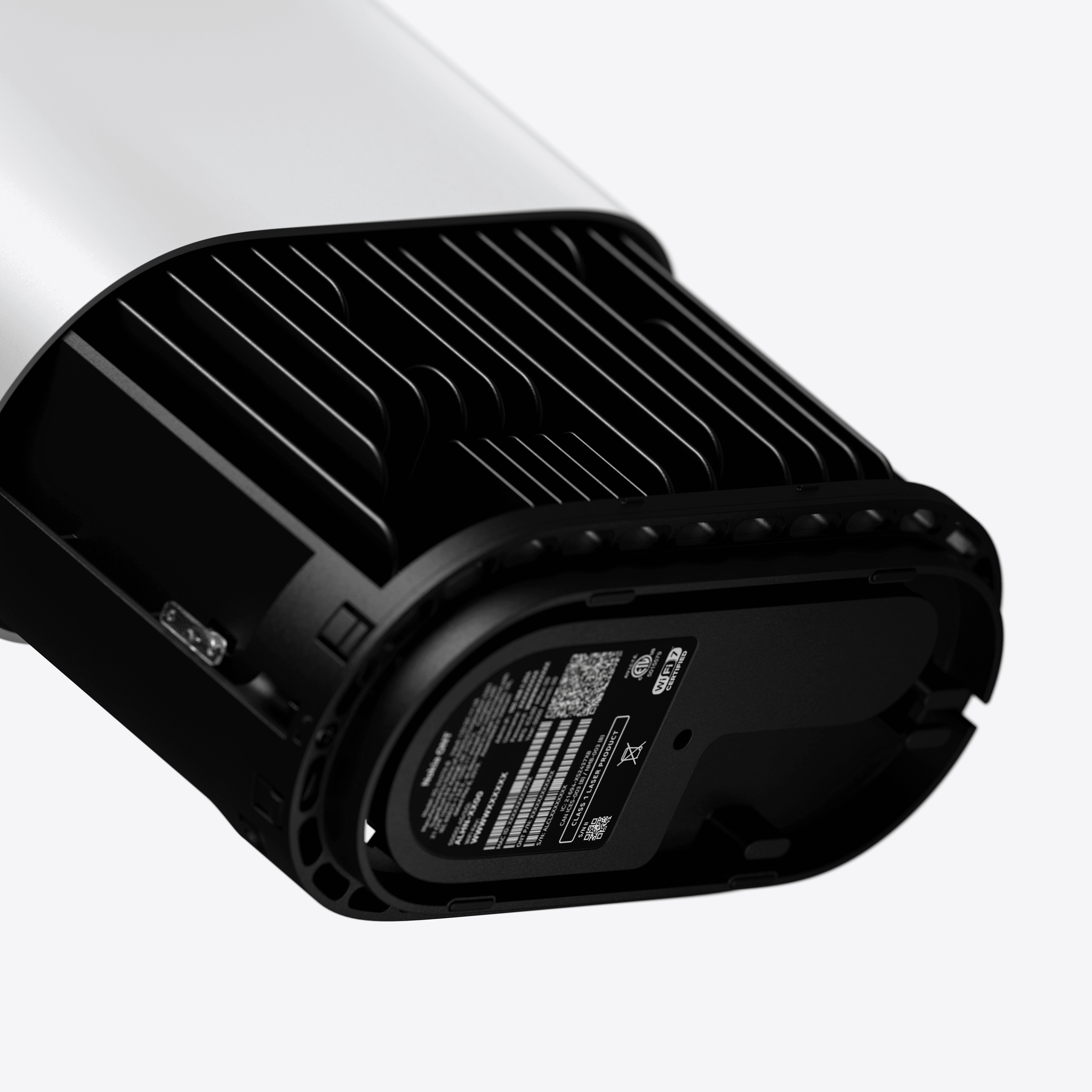
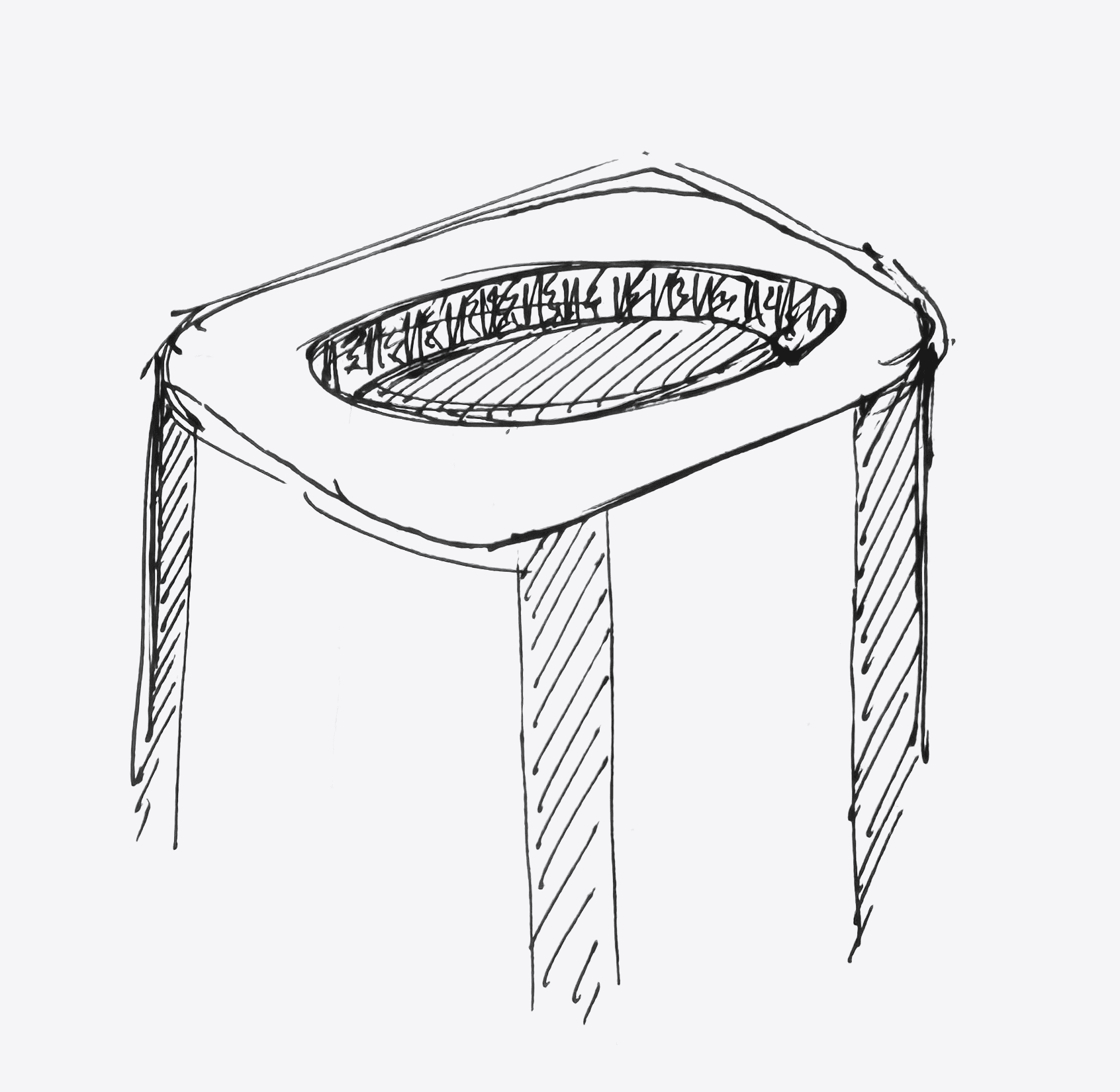
Alongside cable management, thermal
performance became a key driver of the design.
The fiber components on the PCB generate
significant heat, requiring an effective cooling
strategy to ensure long-term reliability.
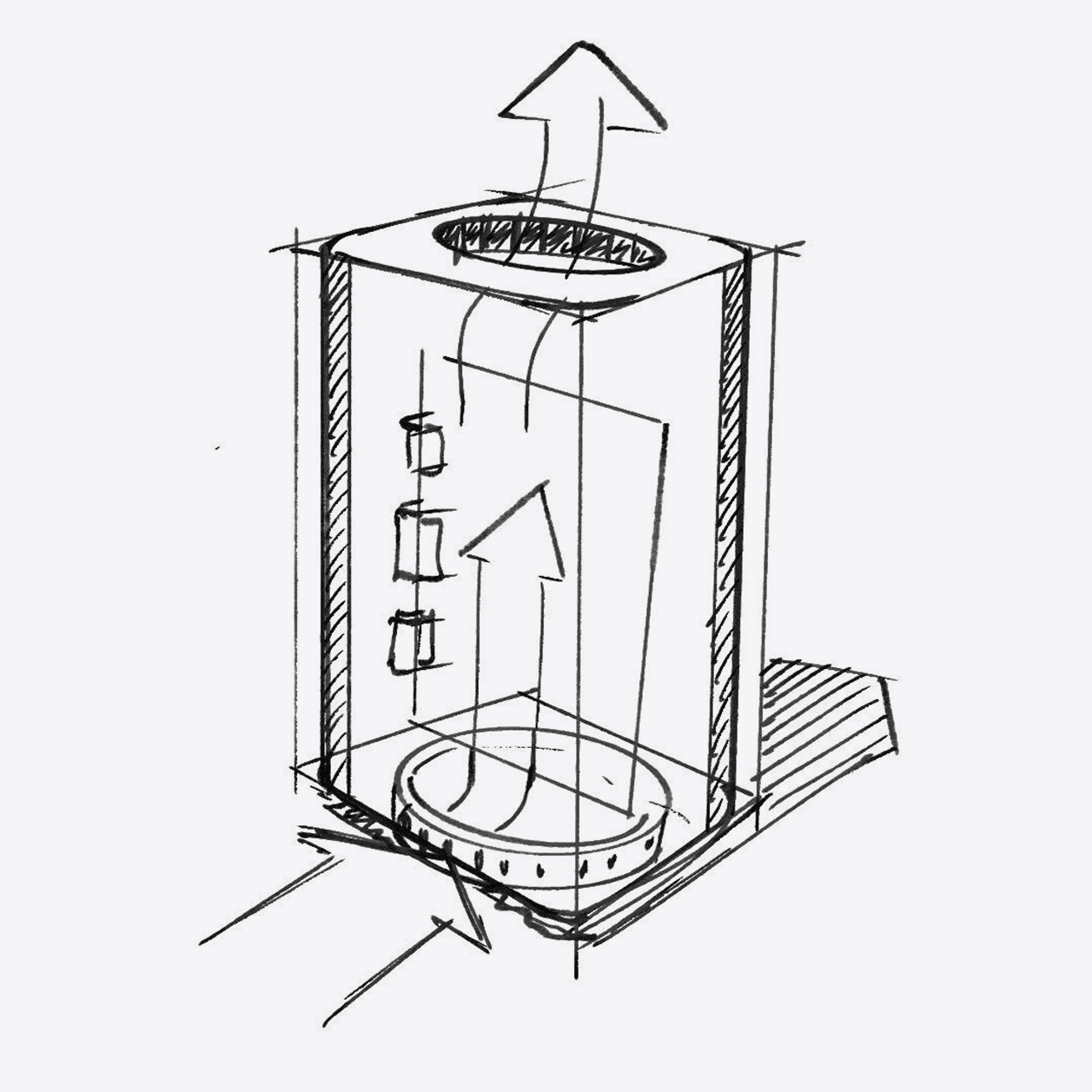
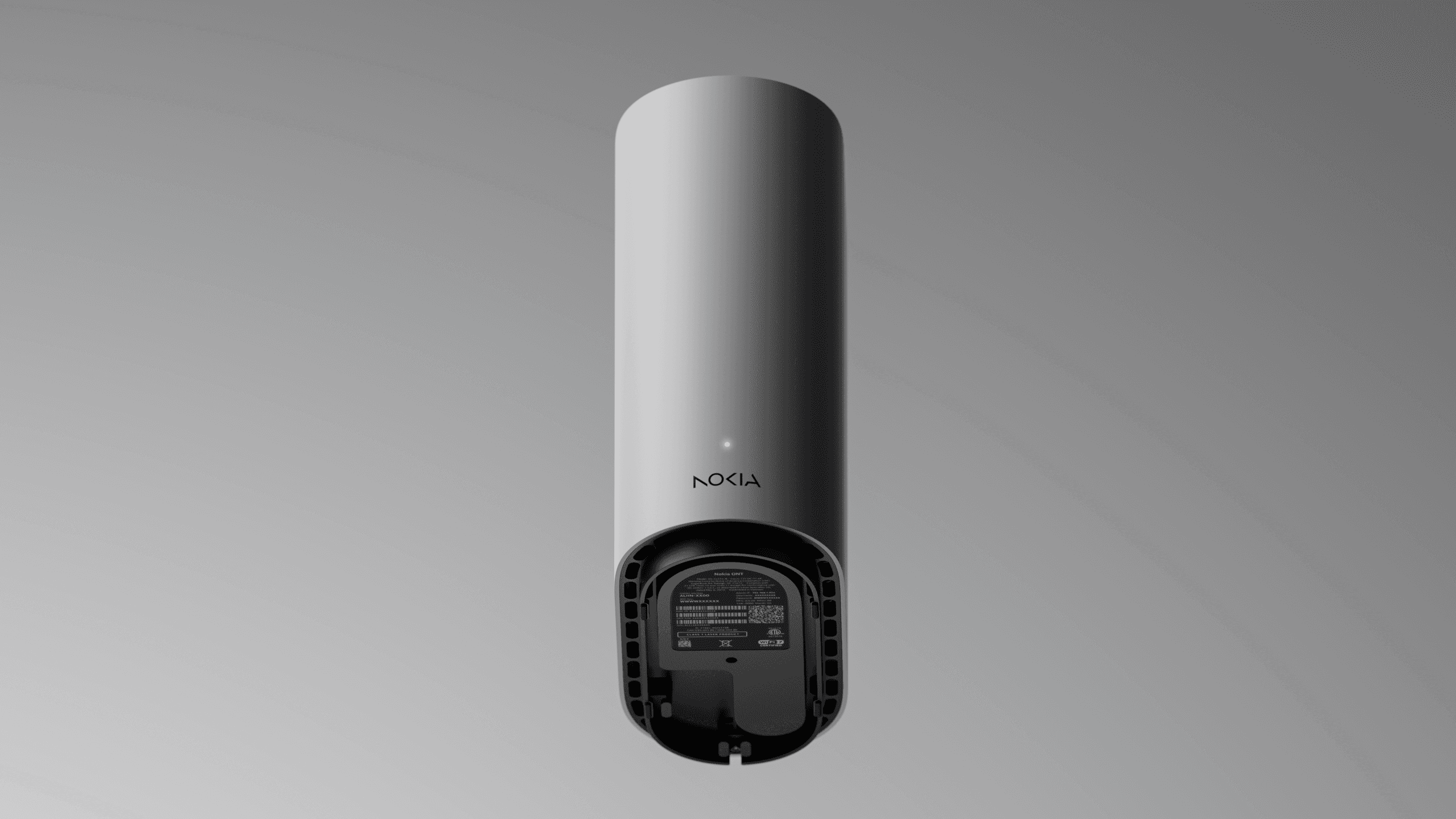
The device relies on passive convection,
making airflow dependent on the enclosure
design. Openings are carefully positioned to
allow sufficient heat dissipation while
maintaining structural integrity. Rather than
exposing vents as a dominant visual feature,
they are integrated discreetly into the form
intakes are placed on the bottom, while exhaust
vents are subtly incorporated into the top.
This allows the device to remain visually calm
and minimal while delivering the necessary
thermal performance.
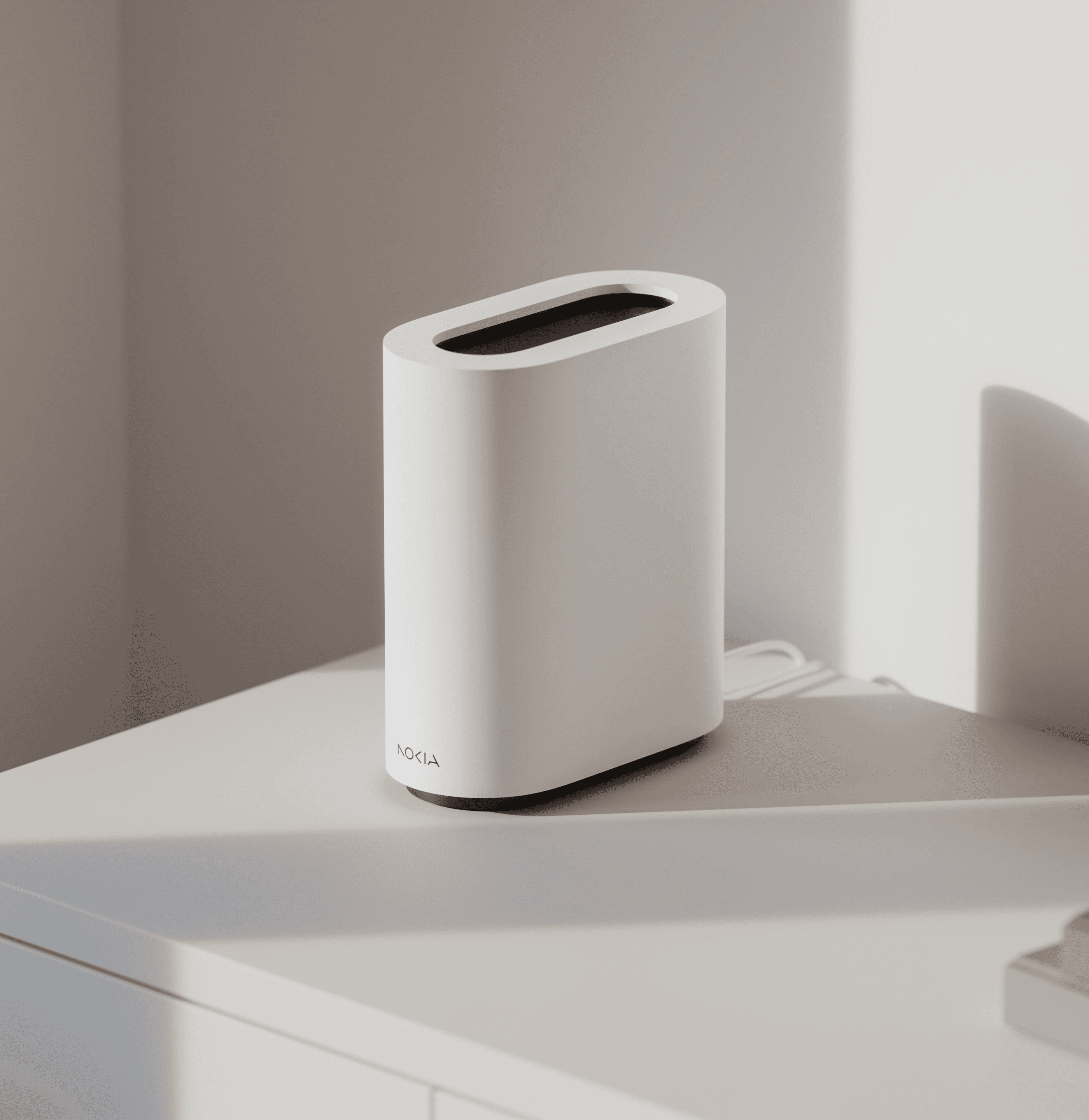
The Beacon 2 relies on passive convection
cooling, requiring continuous airflow through the enclosure to dissipate heat from the internal heatsink. Alongside antenna clearance, thermal management became one of the primary drivers in the design process. The challenge was to integrate sufficient ventilation area while maintaining the calm, minimal appearance that defines the product.


Balancing Expectations, Improving Experience
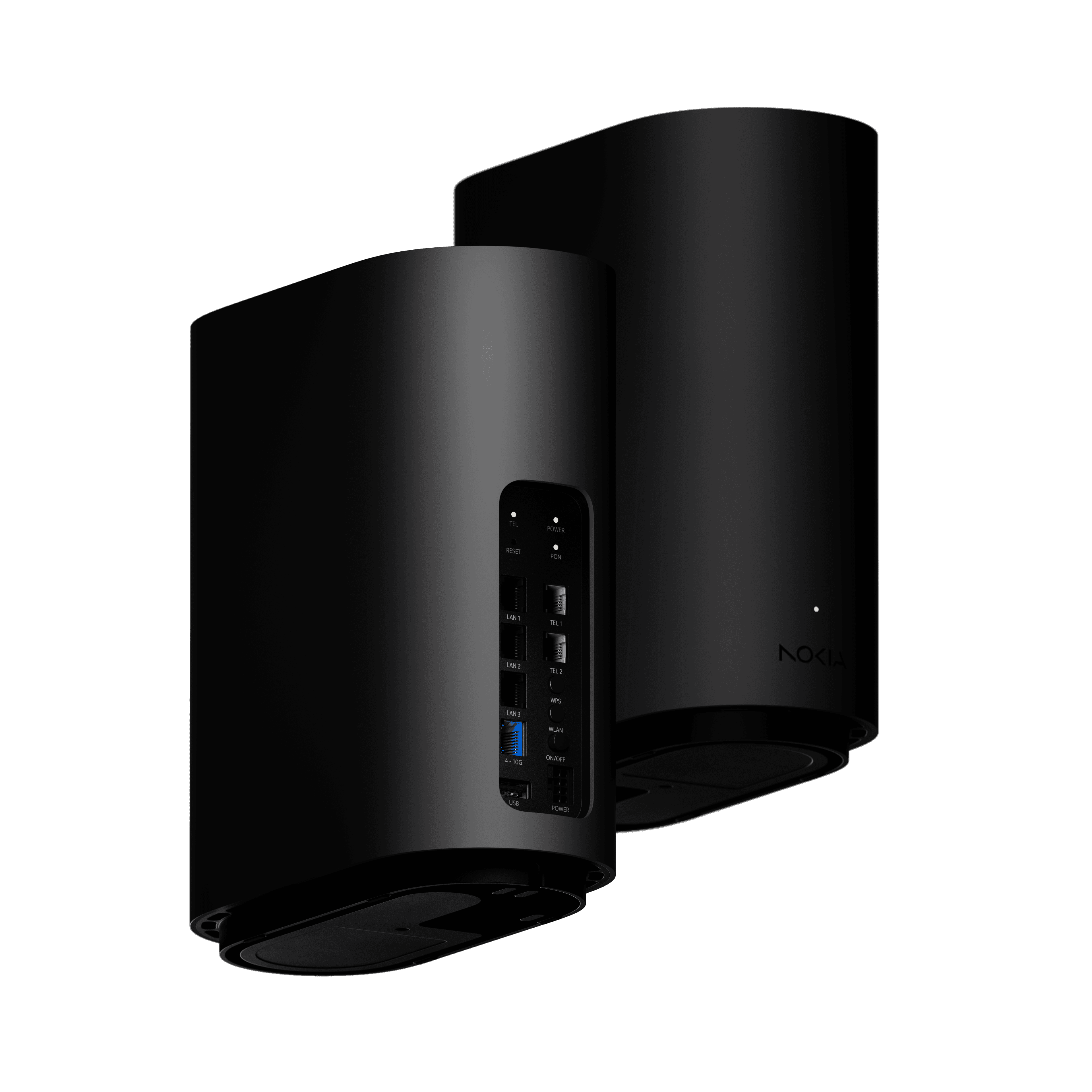
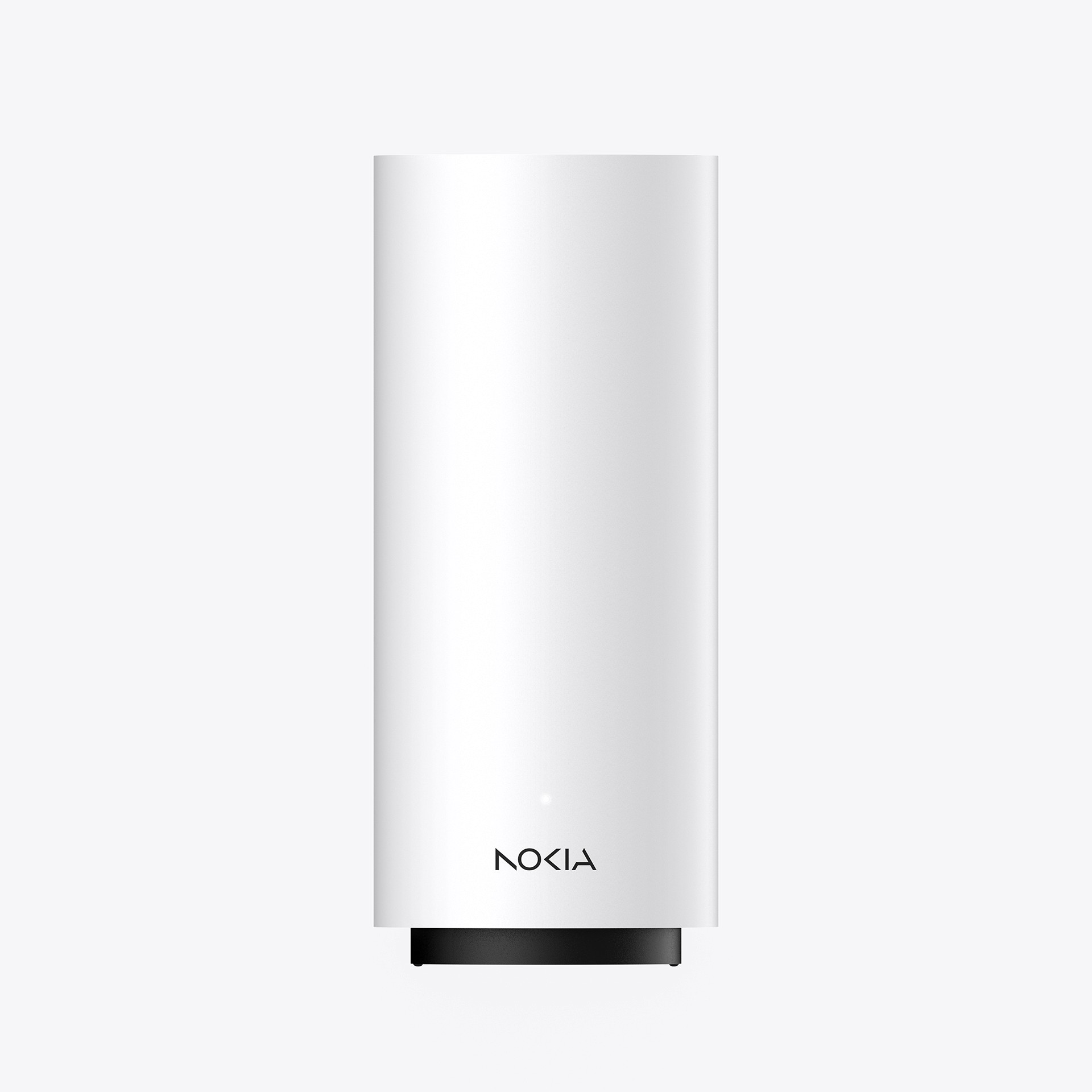
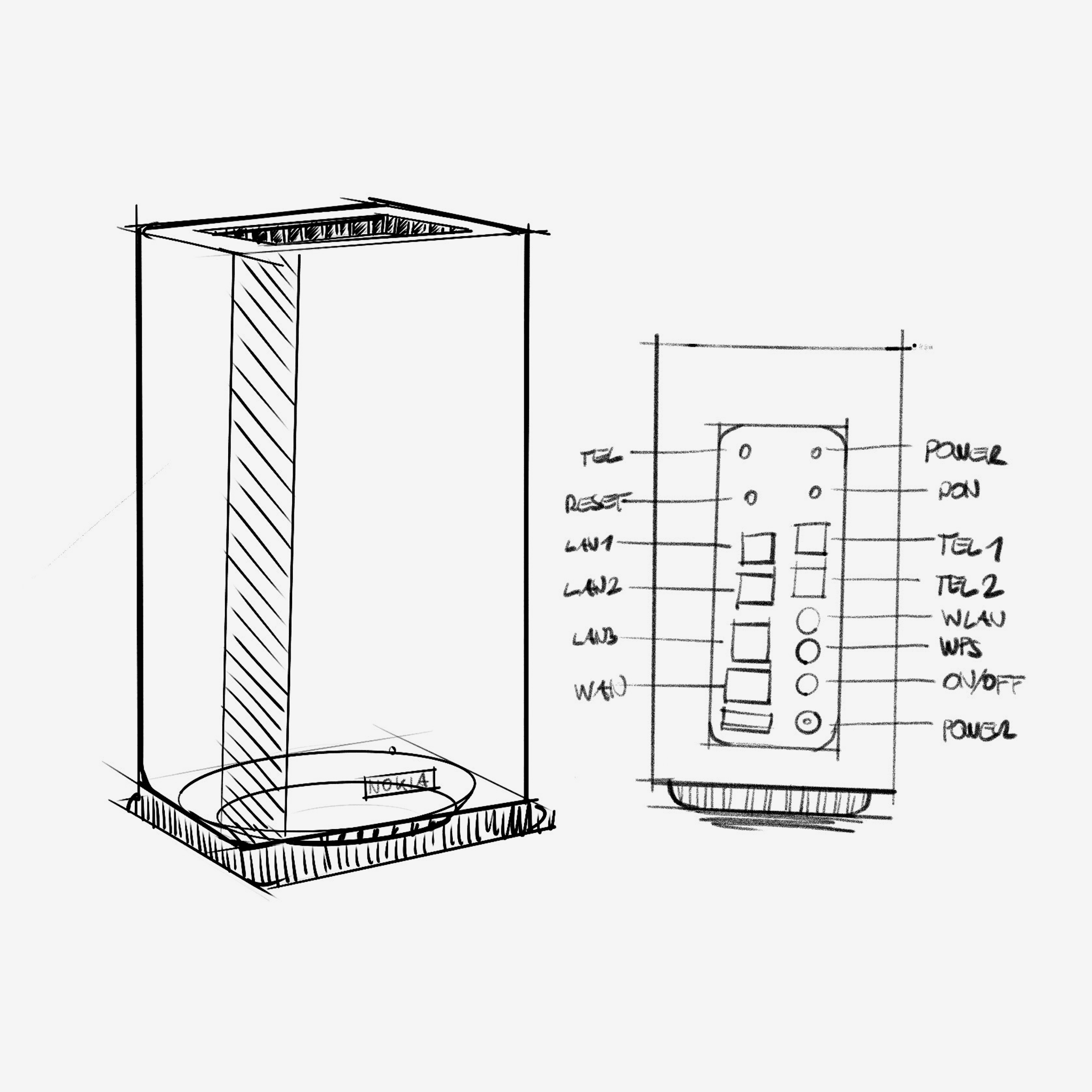
From a user perspective, only one question matters
in daily use: is my internet connection working? A single
multi-color indicator communicates this clearly. Aligning
this with internal expectations required strong advocacy.
Product management and engineering initially pushed for
multiple front-facing LEDs to express technical capability.
The risk, however, was a visually intrusive device, often
leading users to hide it from view. Through ongoing
discussion and clear argumentation, the solution evolved:
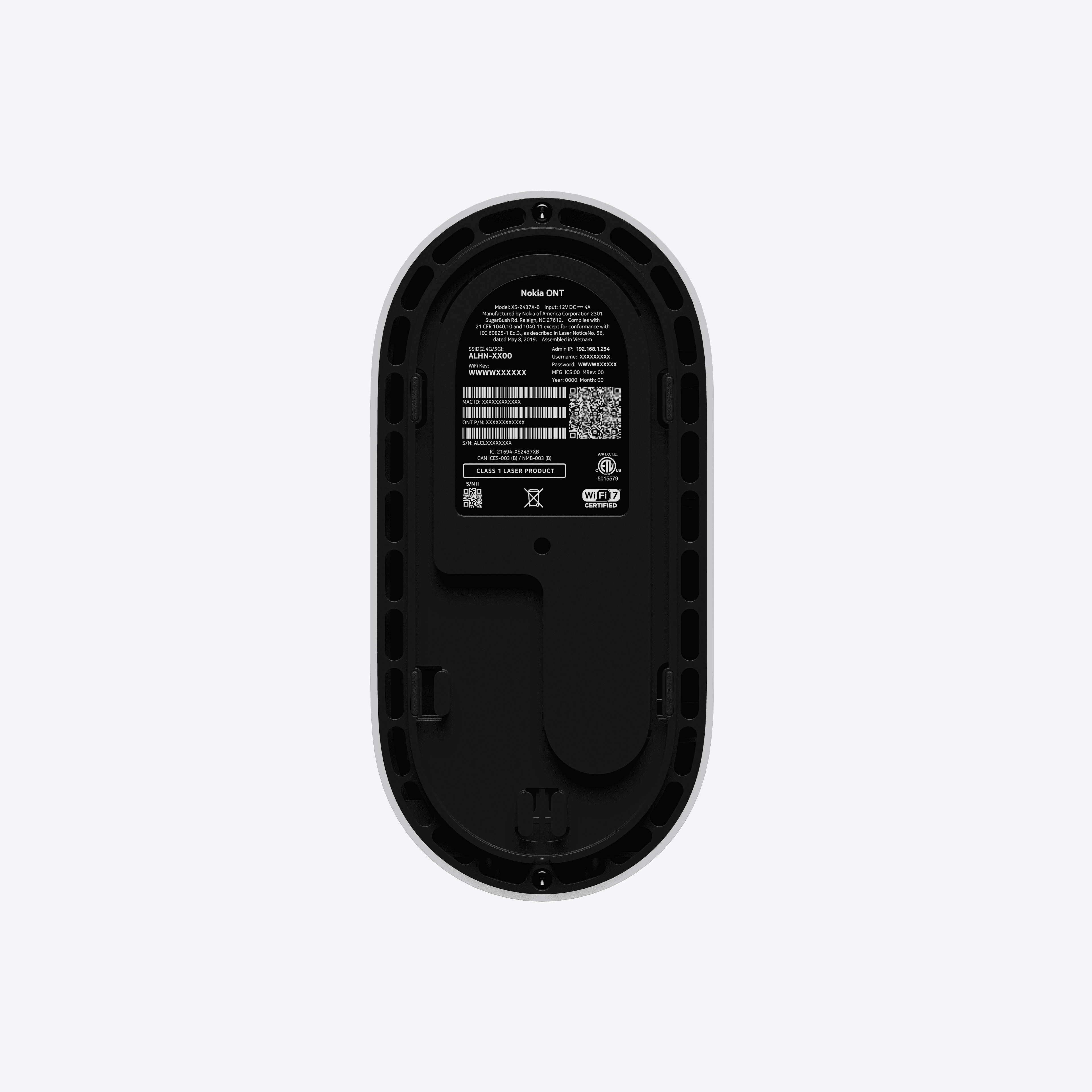
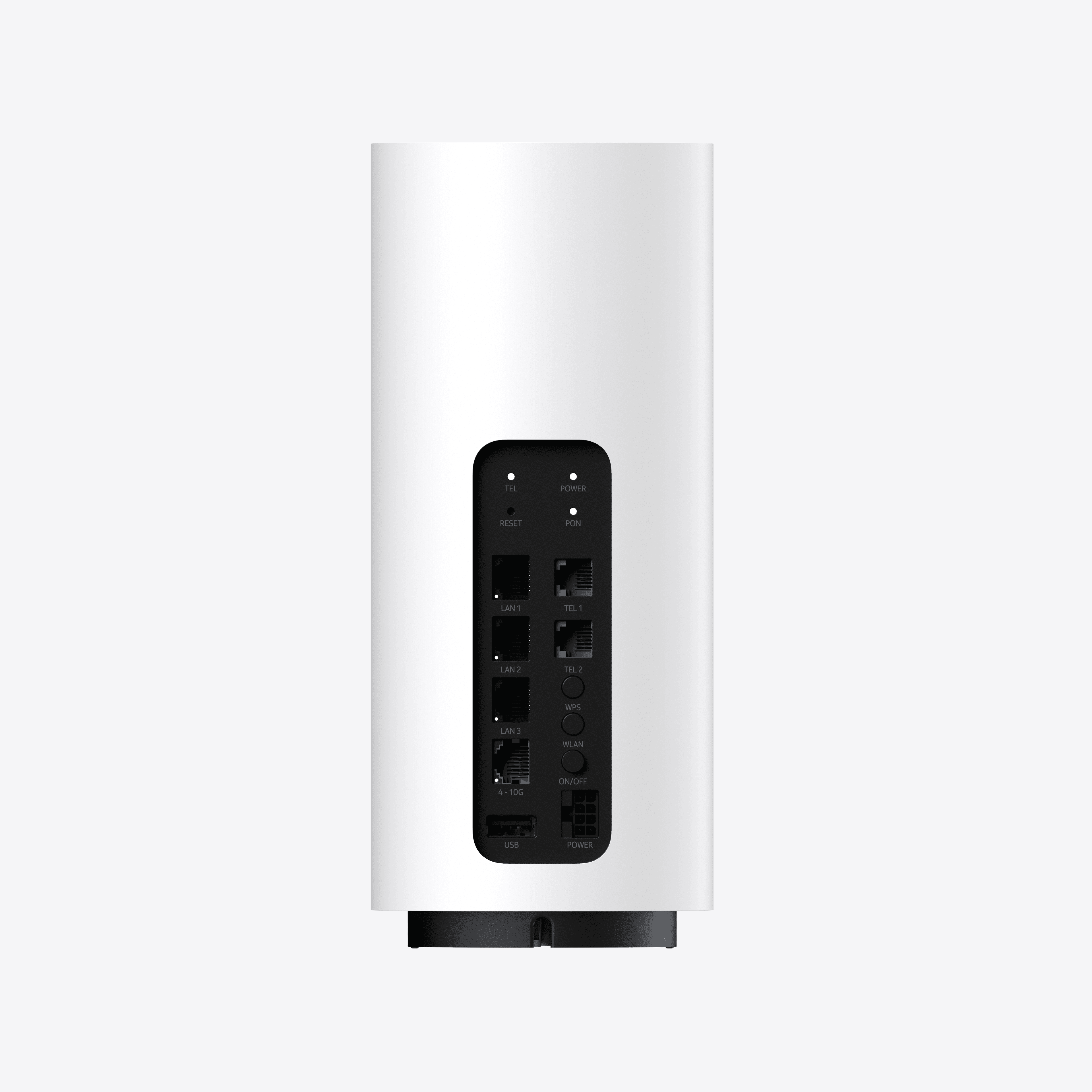
a single, user-facing LED for essential feedback, while
additional indicators were moved to the back.
What began as a point of friction became a defining feature,
reinforcing a calm, unobtrusive product experience now used
as a key selling point.
From a user perspective, only one question matters in daily use: is my internet connection working? A single multi-color indicator communicates this clearly. Aligning this with internal expectations required strong advocacy. Product management and engineering initially pushed for multiple front-facing LEDs to express technical capability. The risk, however, was a visually intrusive device, often leading users to hide it from view. Through ongoing discussion and clear argumentation, the solution evolved: a single, user-facing LED for essential feedback, while additional indicators were moved to the back.
What began as a point of friction became a defining feature, reinforcing a calm, unobtrusive product experience now used
as a key selling point.
Process
Process