Nokia Beacon 2

Wifi 6 Mesh Router

2020
Status: Produced
Role: Industrial Design Lead
Design Direction: Anton Fahlgren, Axel Meyer

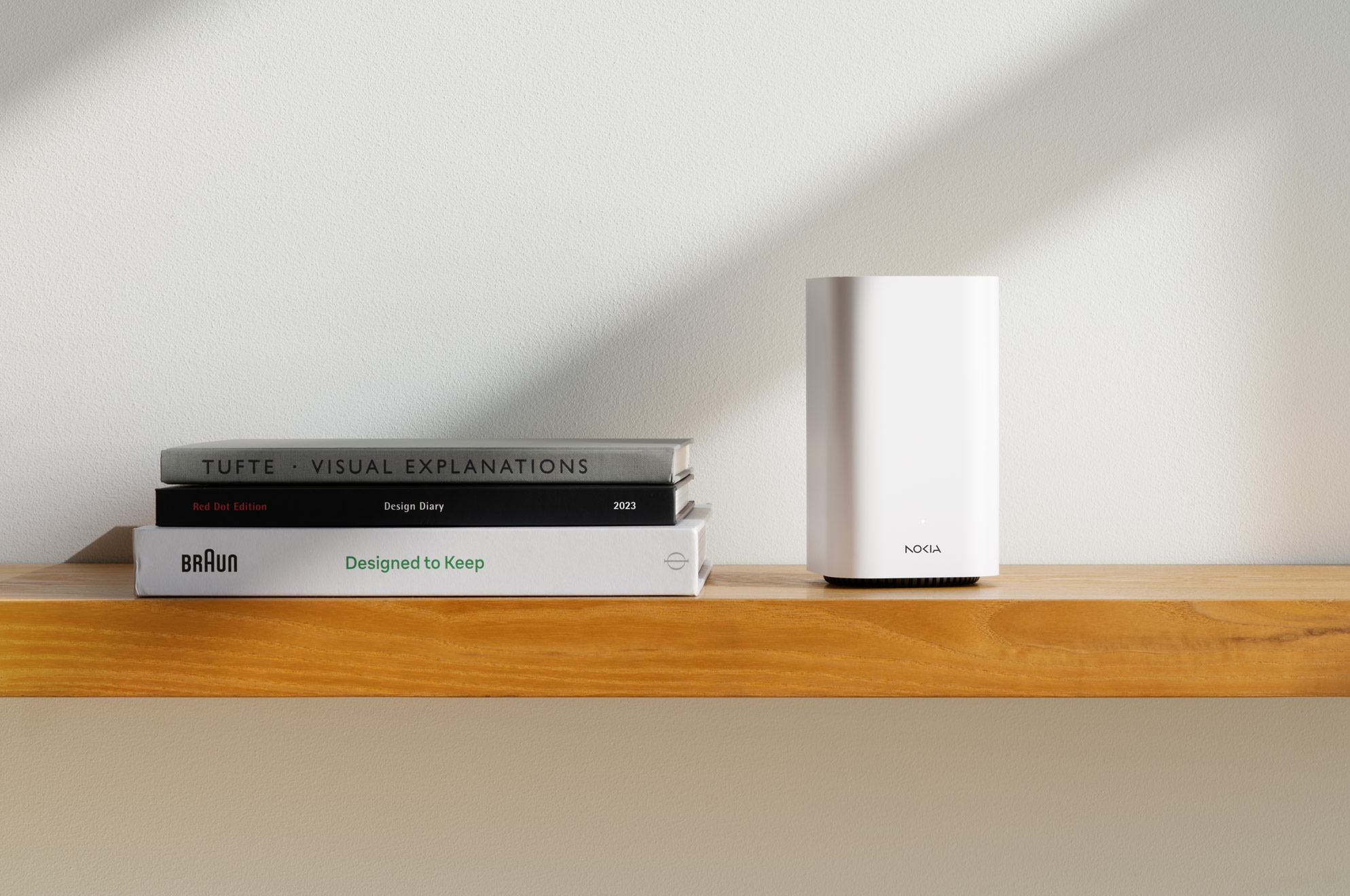
Everybody needs a fast and reliable
internet connection

no on dreams of owning a Wi-Fi router


For optimal performance, Wi-Fi routers need to be

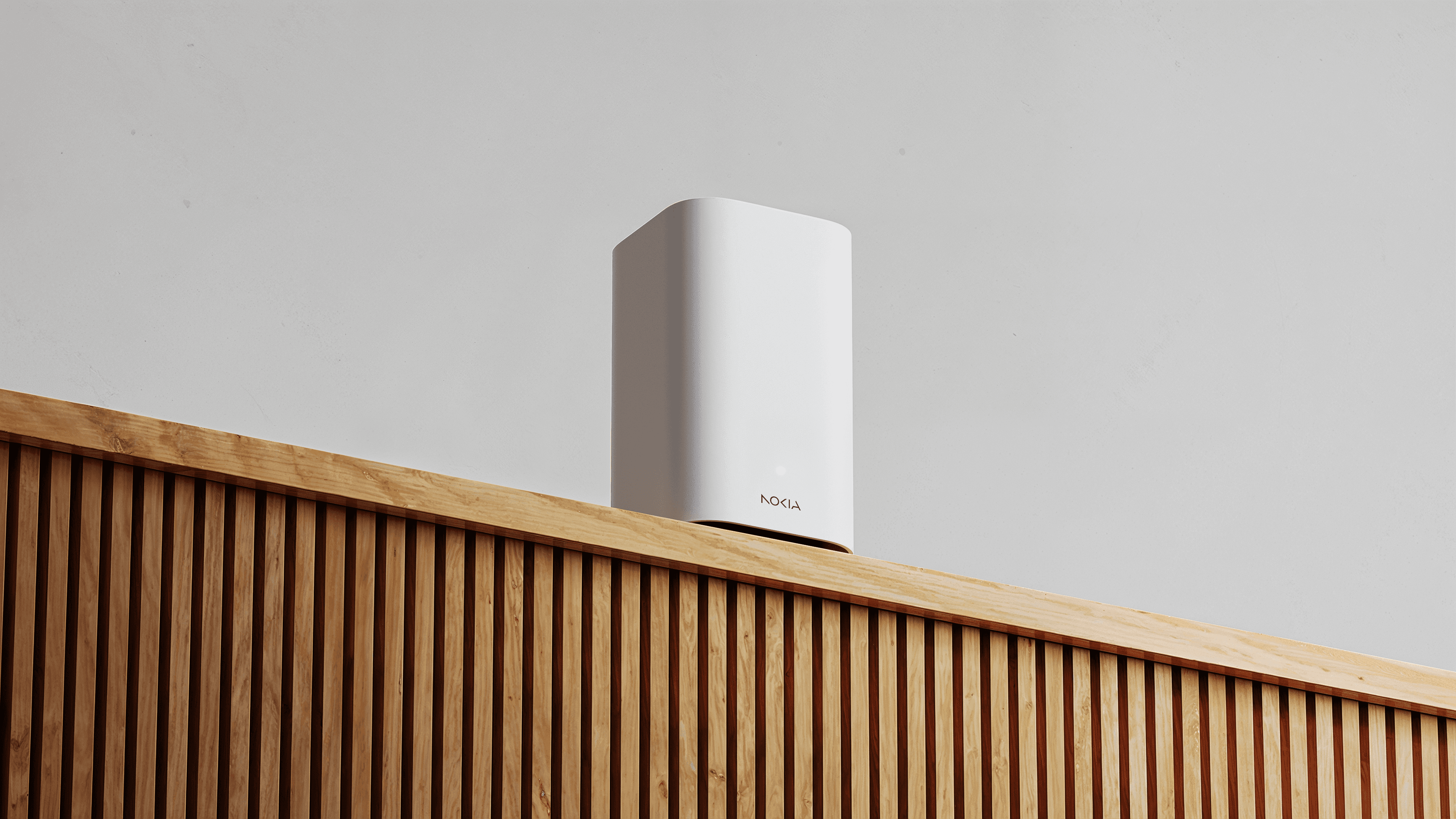
placed in prominent, central locations in our homes.

They must be designed to complement the spaces

we cherish, sitting proudly beside a favorite vase.

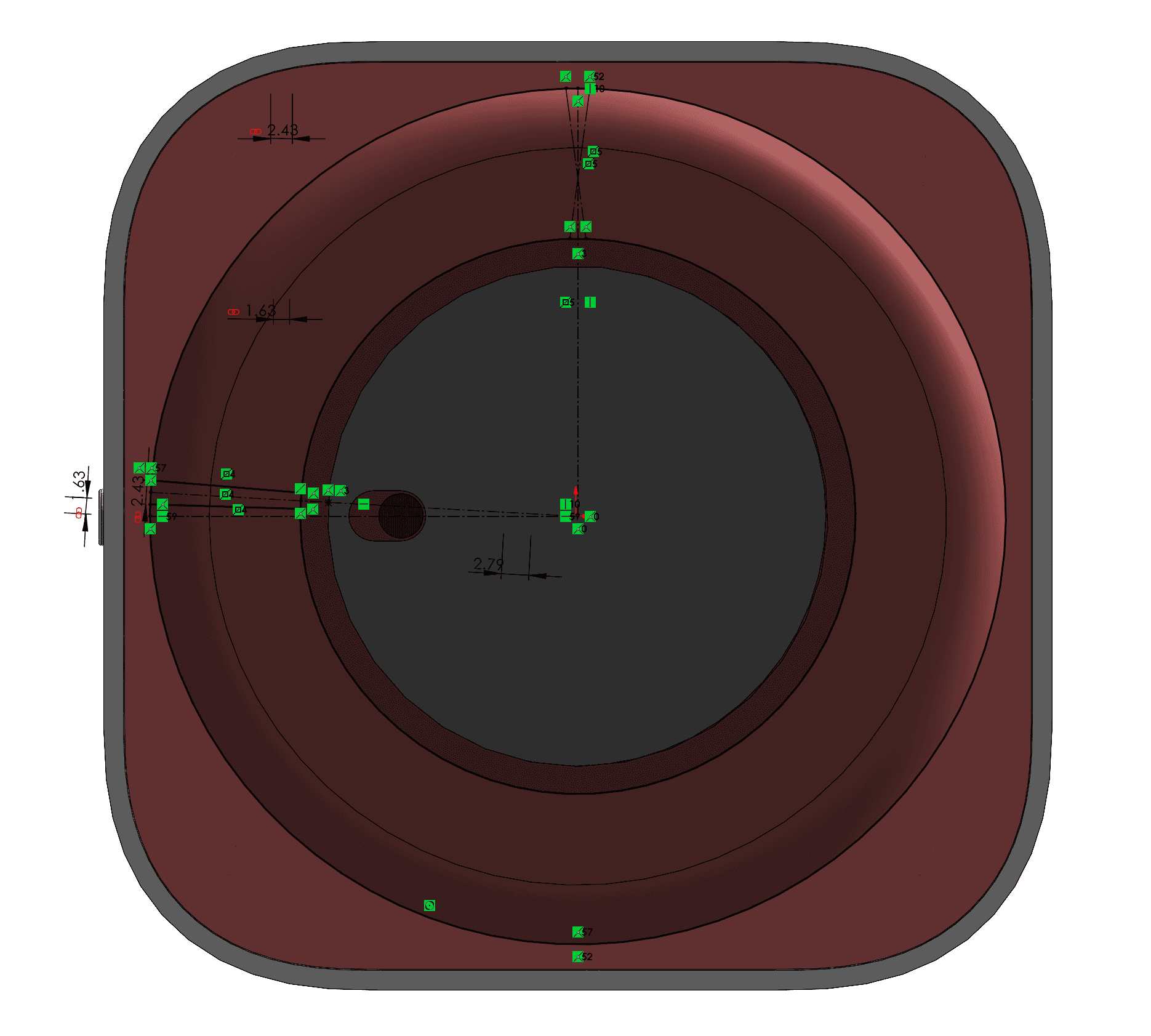
Designed from the inside out, a direct

expression of its technical constraints.

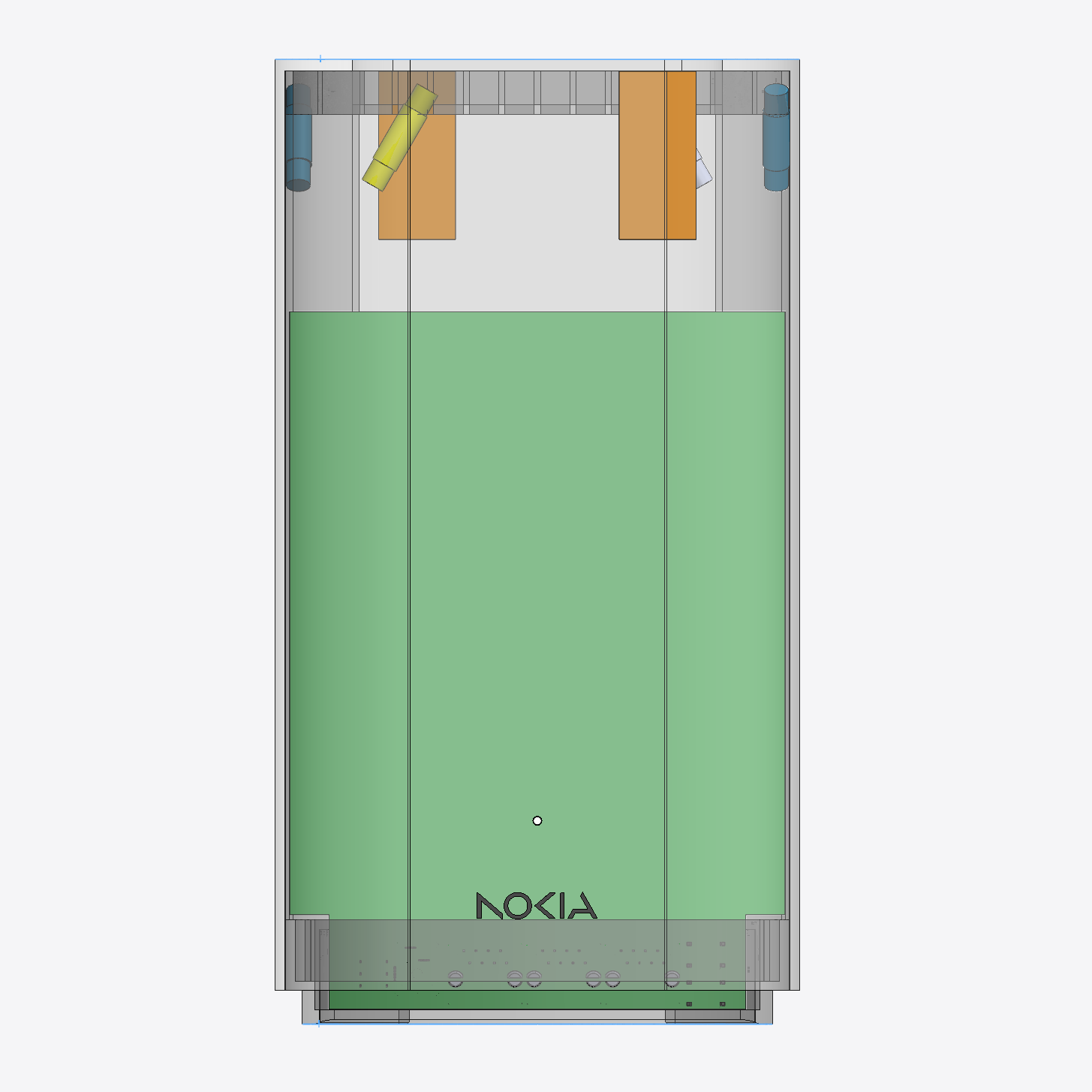
Antenna spacing requirements

established the minimum volumetric

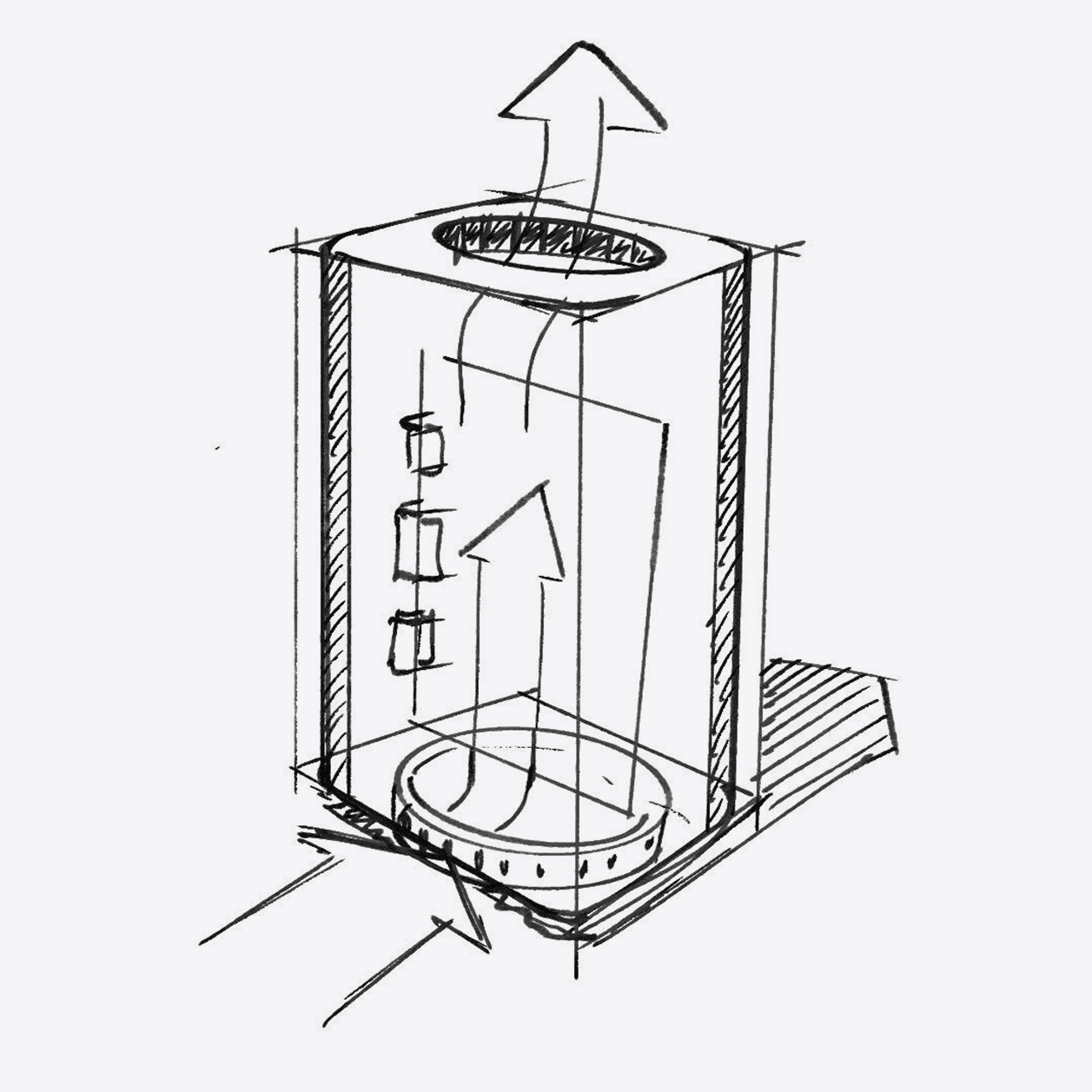
envelope, while passive convection

cooling favored a vertical orientation.
The result is a form shaped by

necessity. Every element resolves a

specific constraint, translating technical

requirements into a refined object that

balances performance with visual calm.

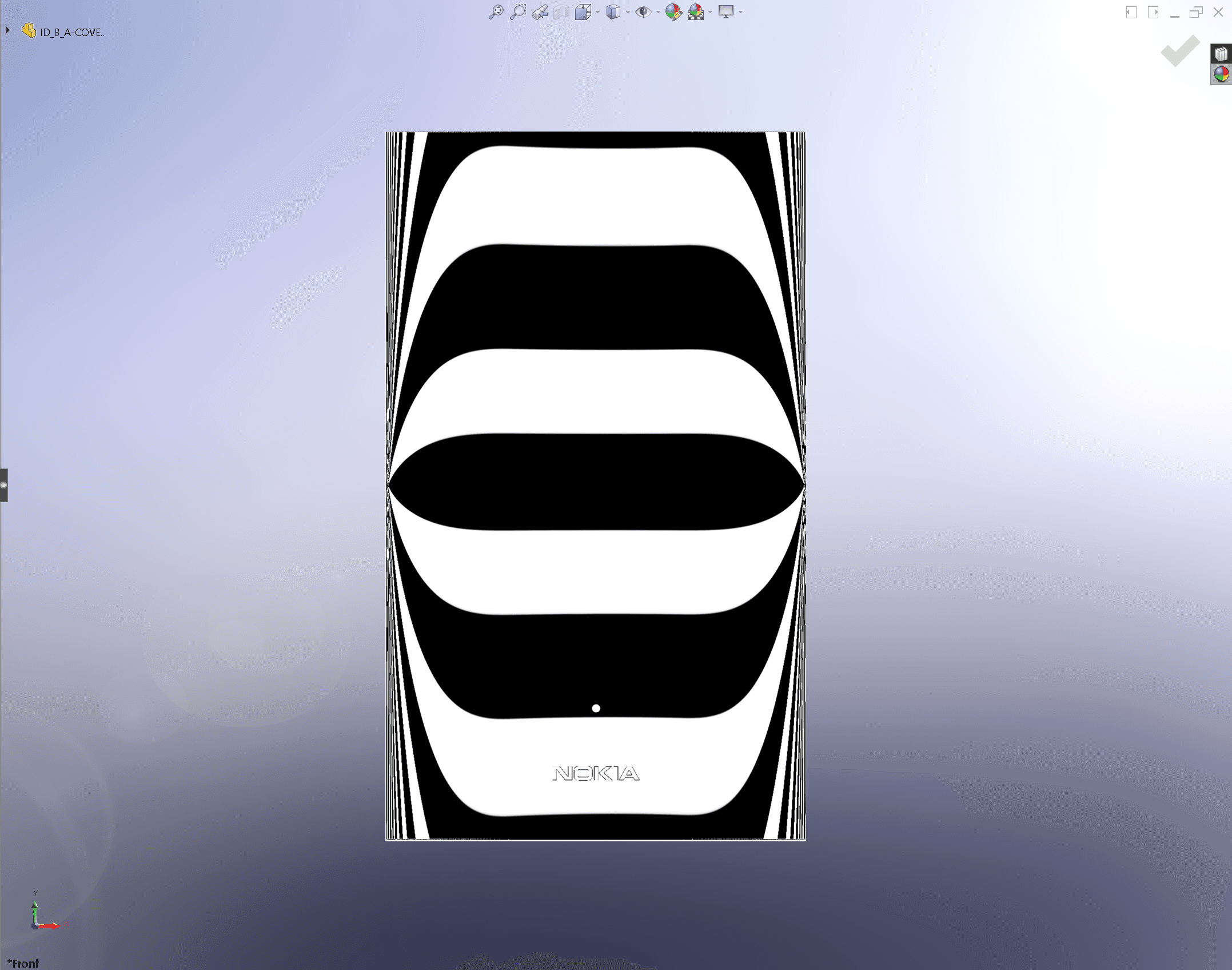
Geometric Purity

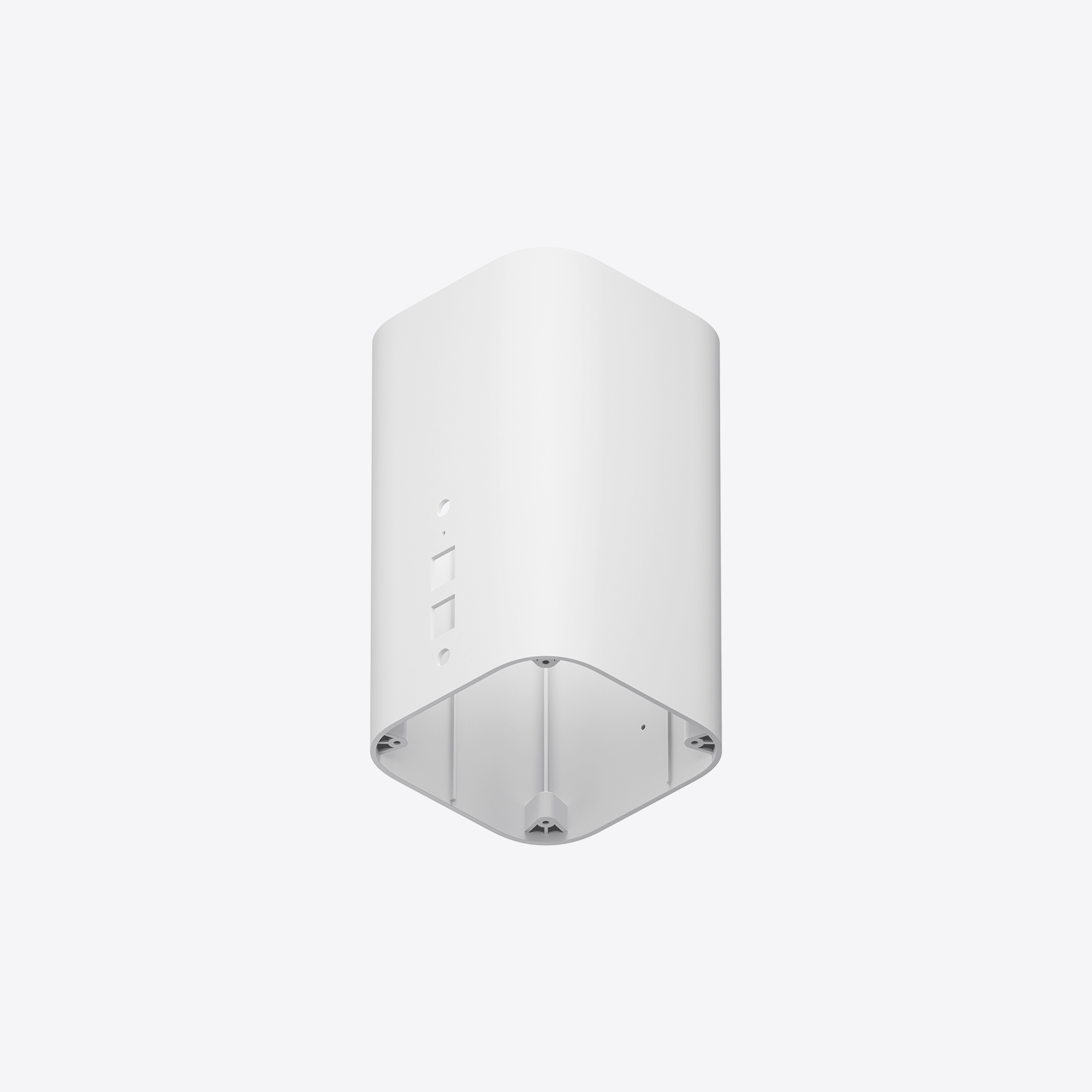
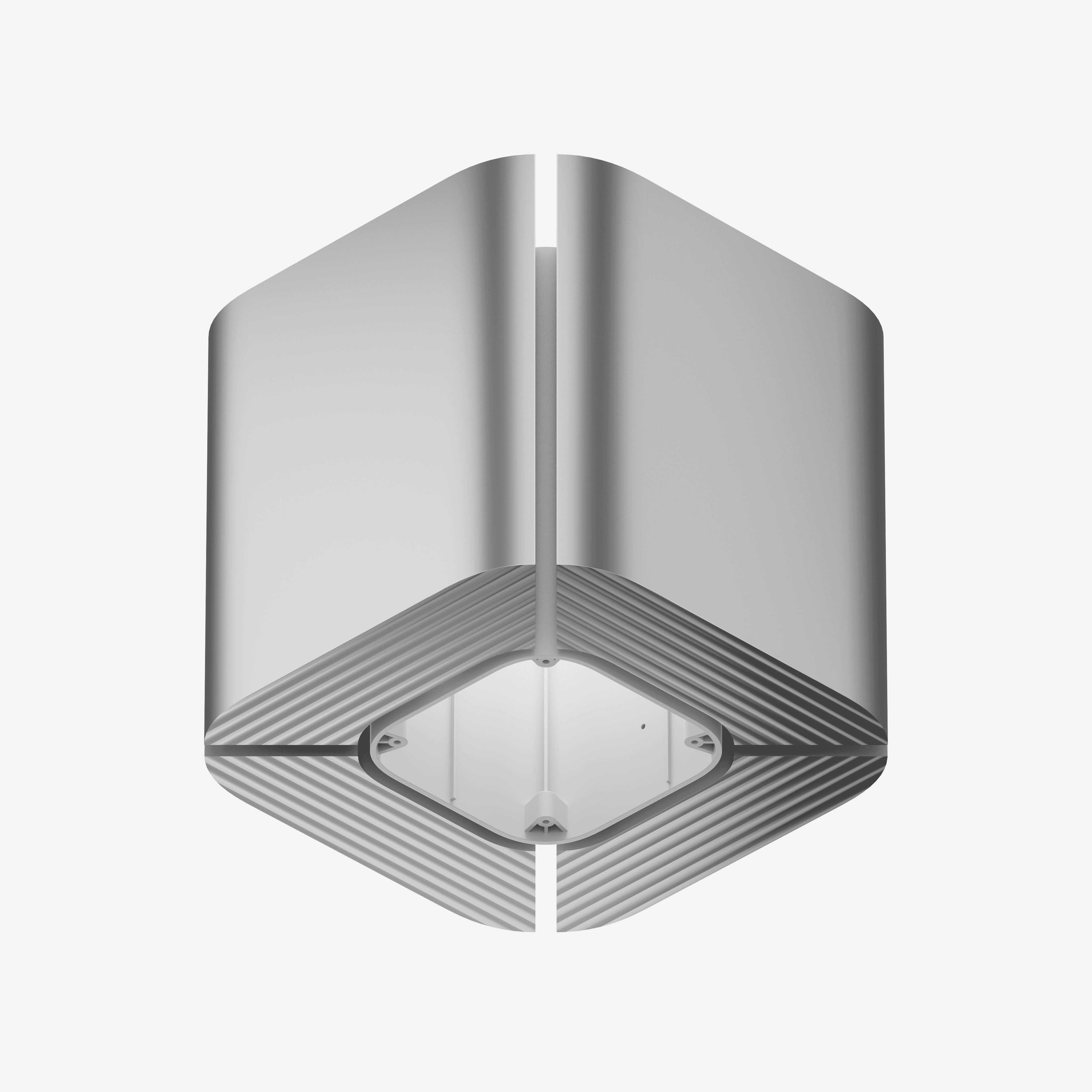
A four-section mold places parting lines
within the highlights of rounded surfaces,
rendering them invisible in typical viewing

conditions. The mold split allows for zero-degree

draft angles on exterior surfaces preserve

geometric purity. The result is crisp surfacing that

reflects the design intent.

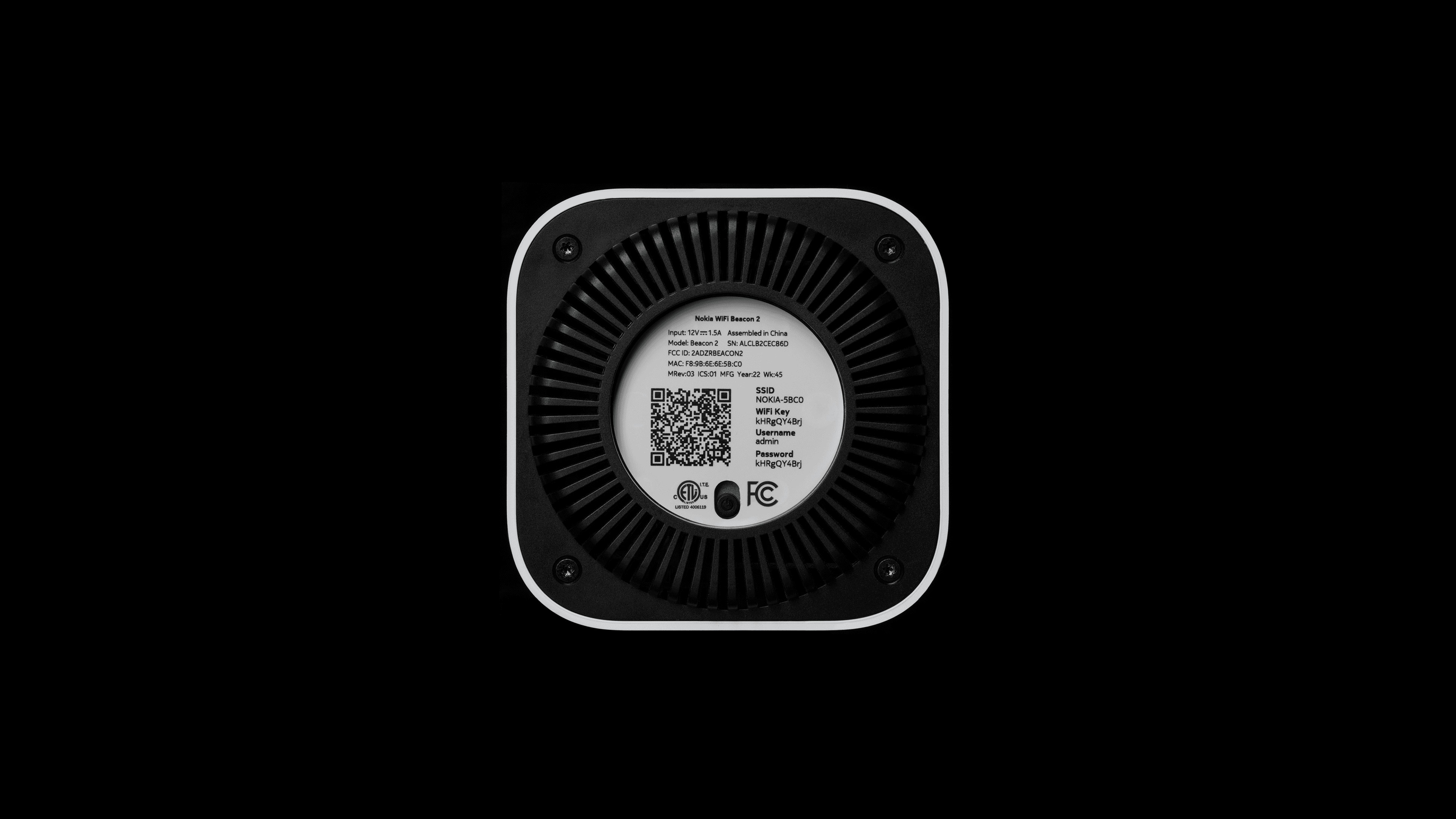
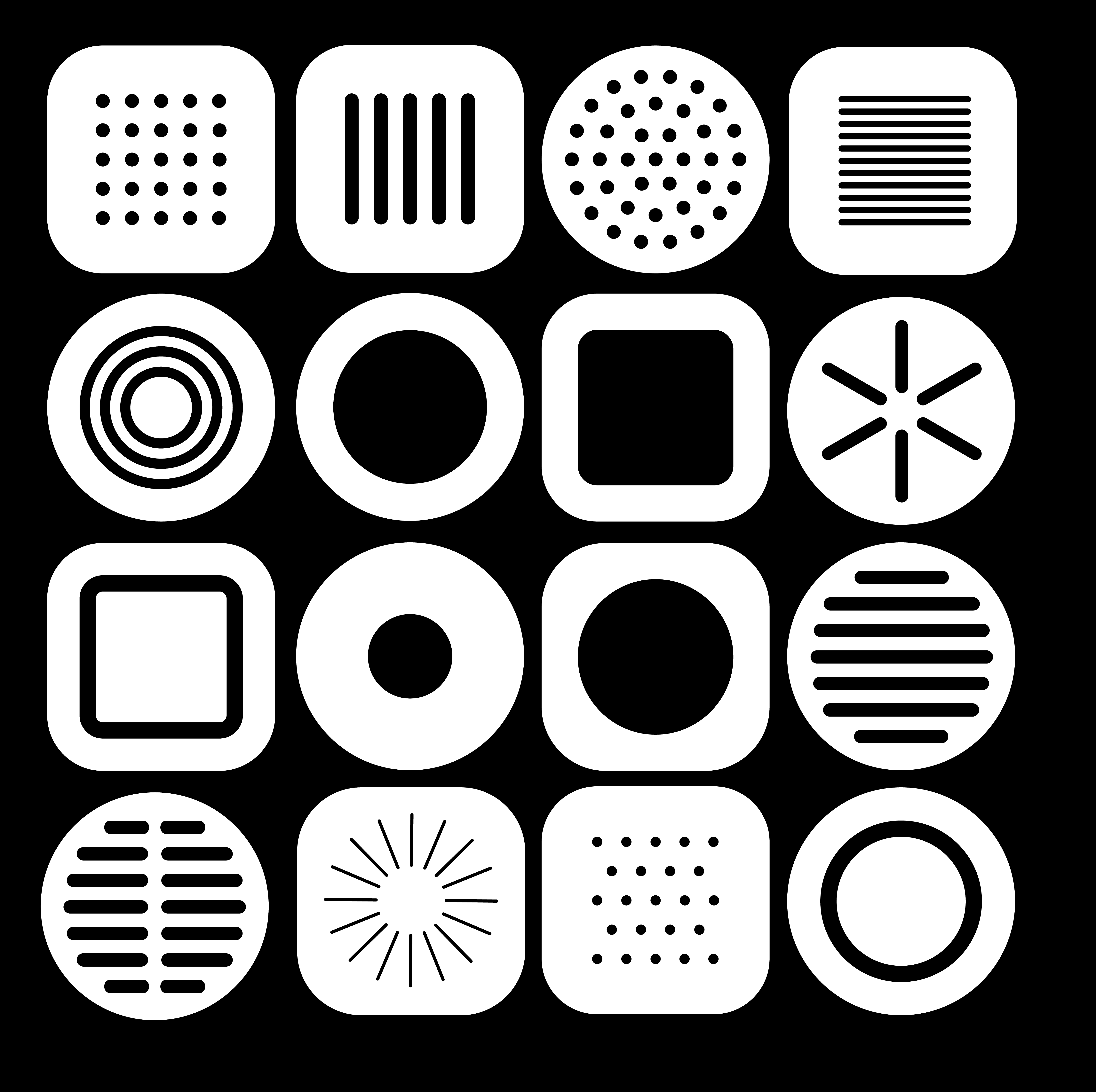
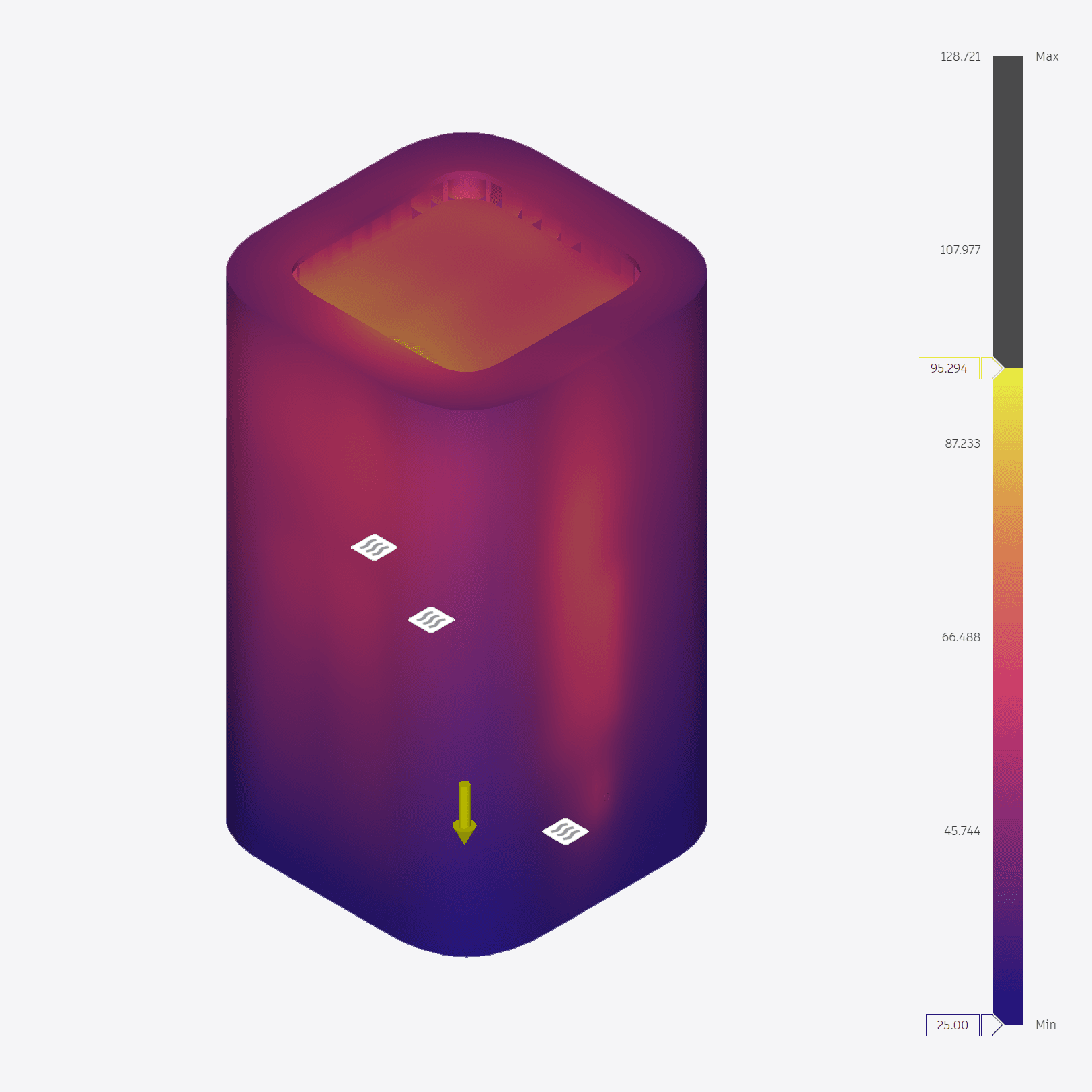
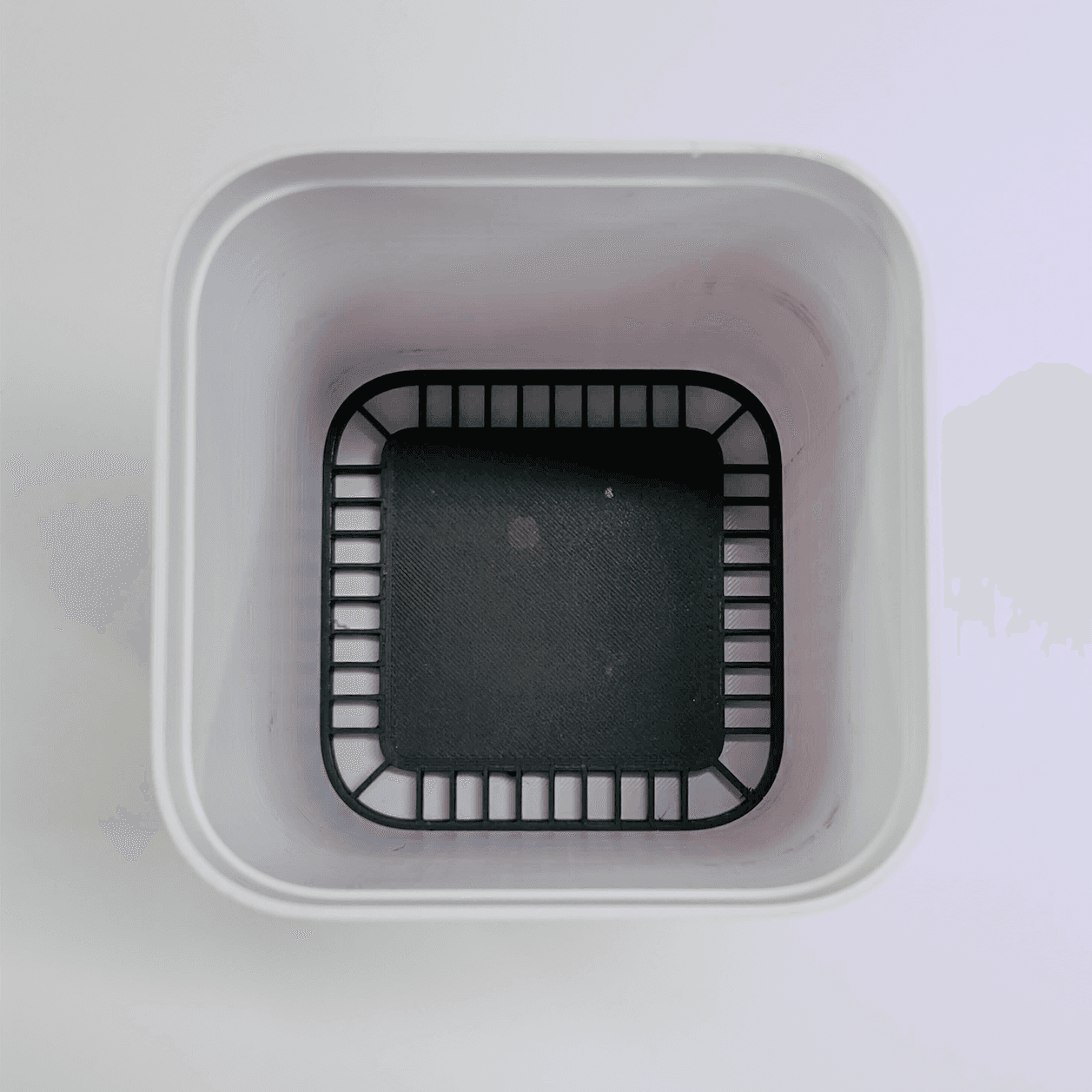
Thermal Design

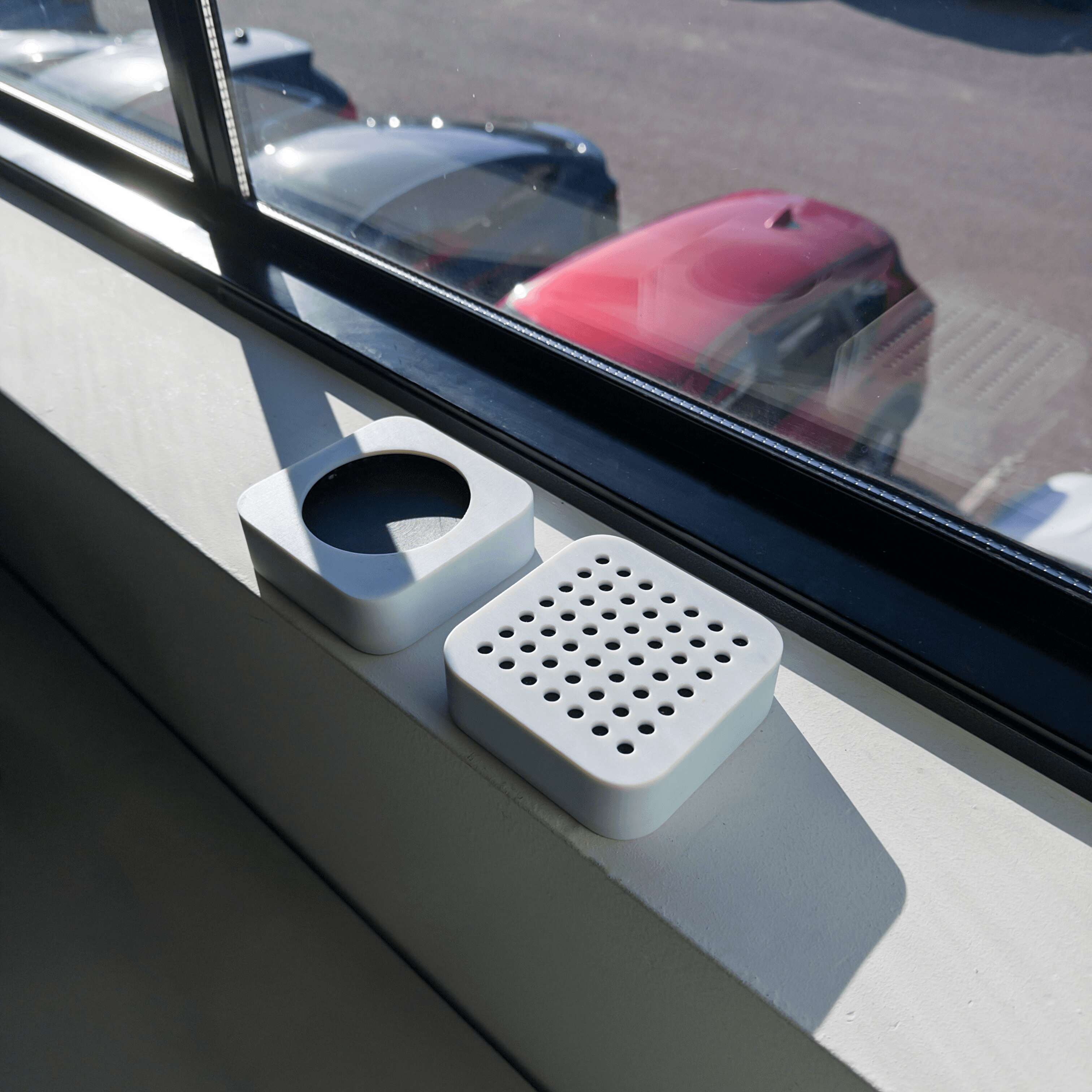
The Beacon 2 relies on passive convection

cooling, requiring continuous airflow through

the enclosure to dissipate heat from the internal

heatsink. Alongside antenna clearance, thermal

management became one of the primary drivers in

the design process. The challenge was to integrate

sufficient ventilation area while maintaining the calm,

minimal appearance that defines the product.

Mesh

Designed as a team. Strategically placing multiple devices

creates a robust Wi-Fi mesh system, delivering consistent

and reliable internet speeds across entire buildings.

Cost & Recycling

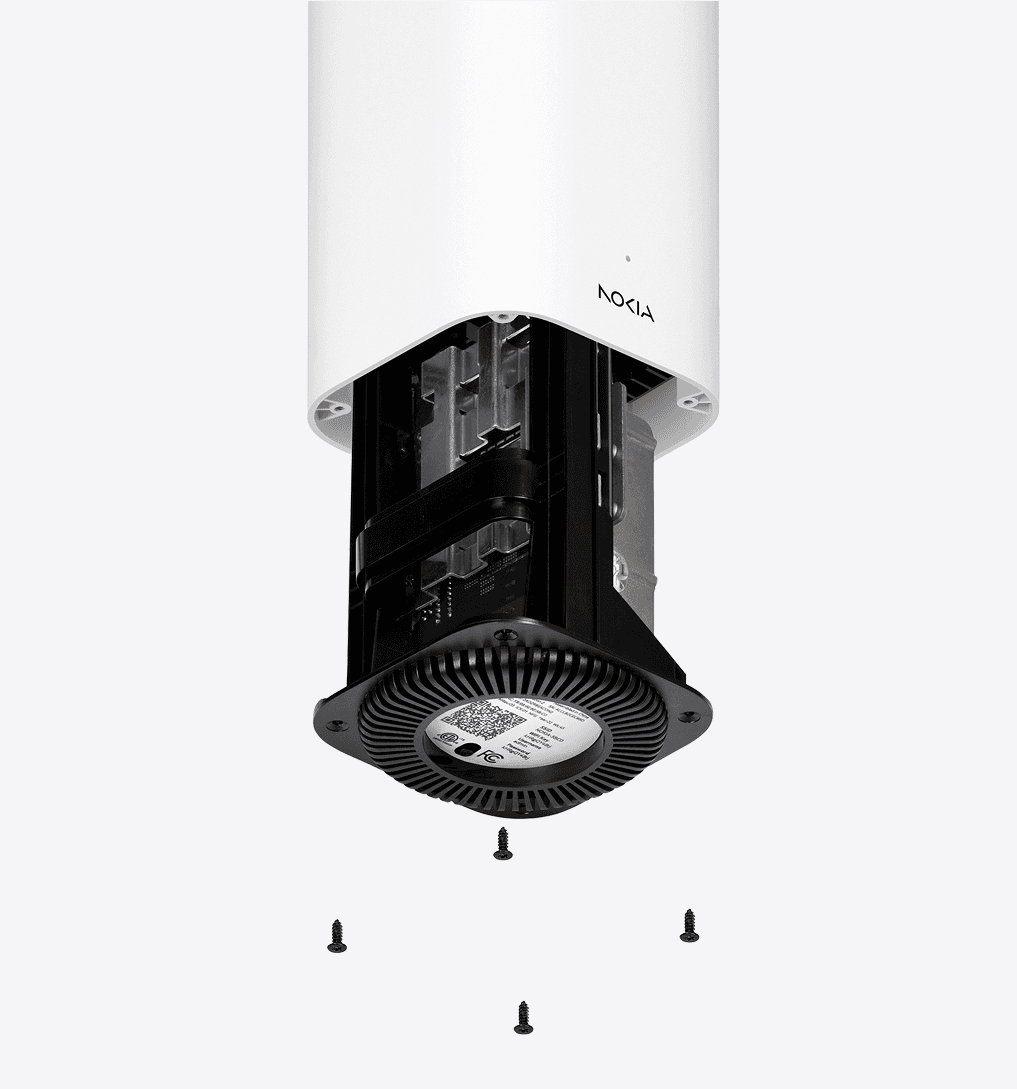
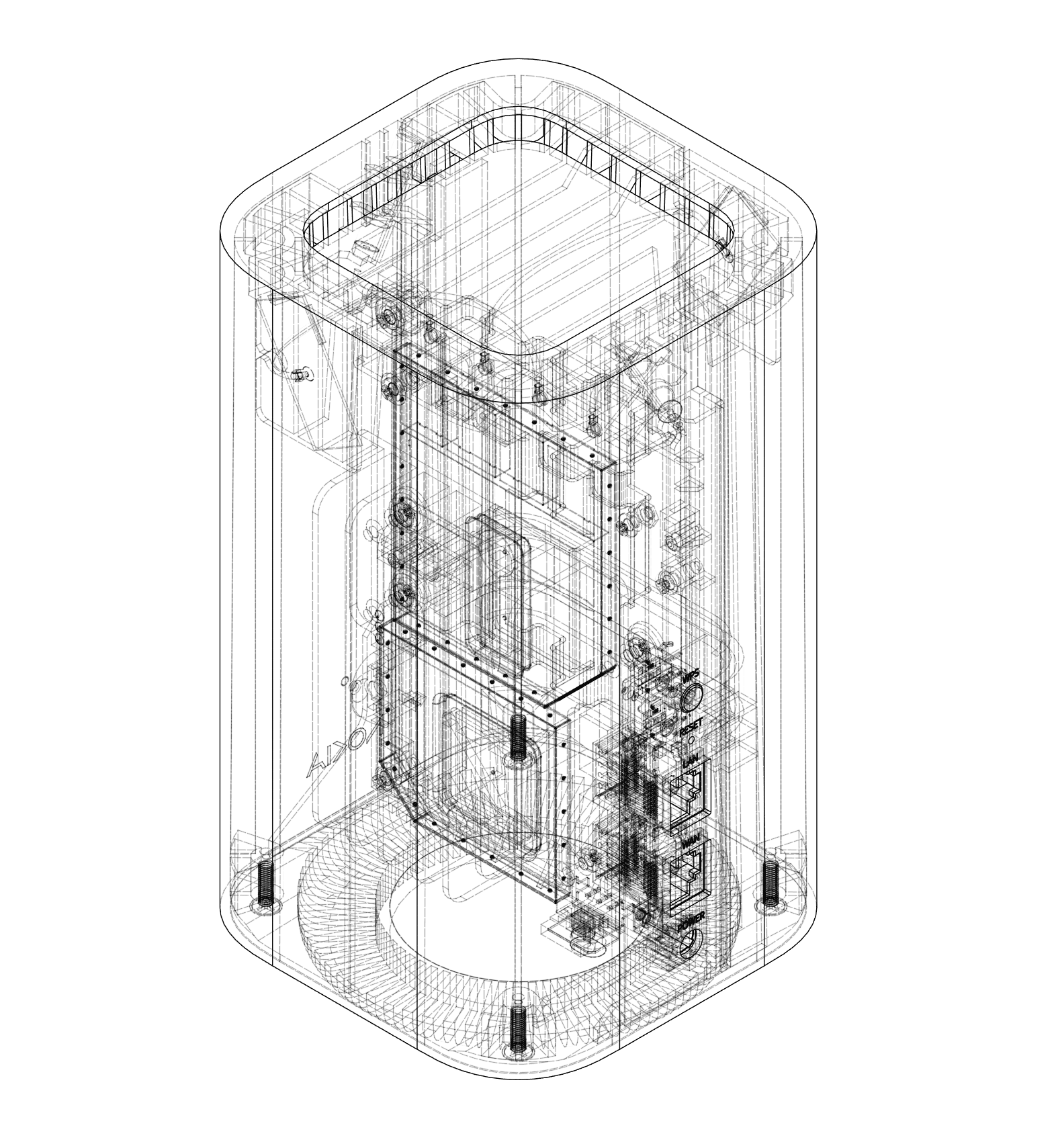
Cost efficiency shaped the assembly
strategy. The two-part construction uses
four screws, no adhesives or snaps. 


A chassis-based approach integrates
antennas and PCB as a subassembly,
enabling complete testing before the cover
is added. This accelerates factory
assembly while simplifying end-of-life
recycling.

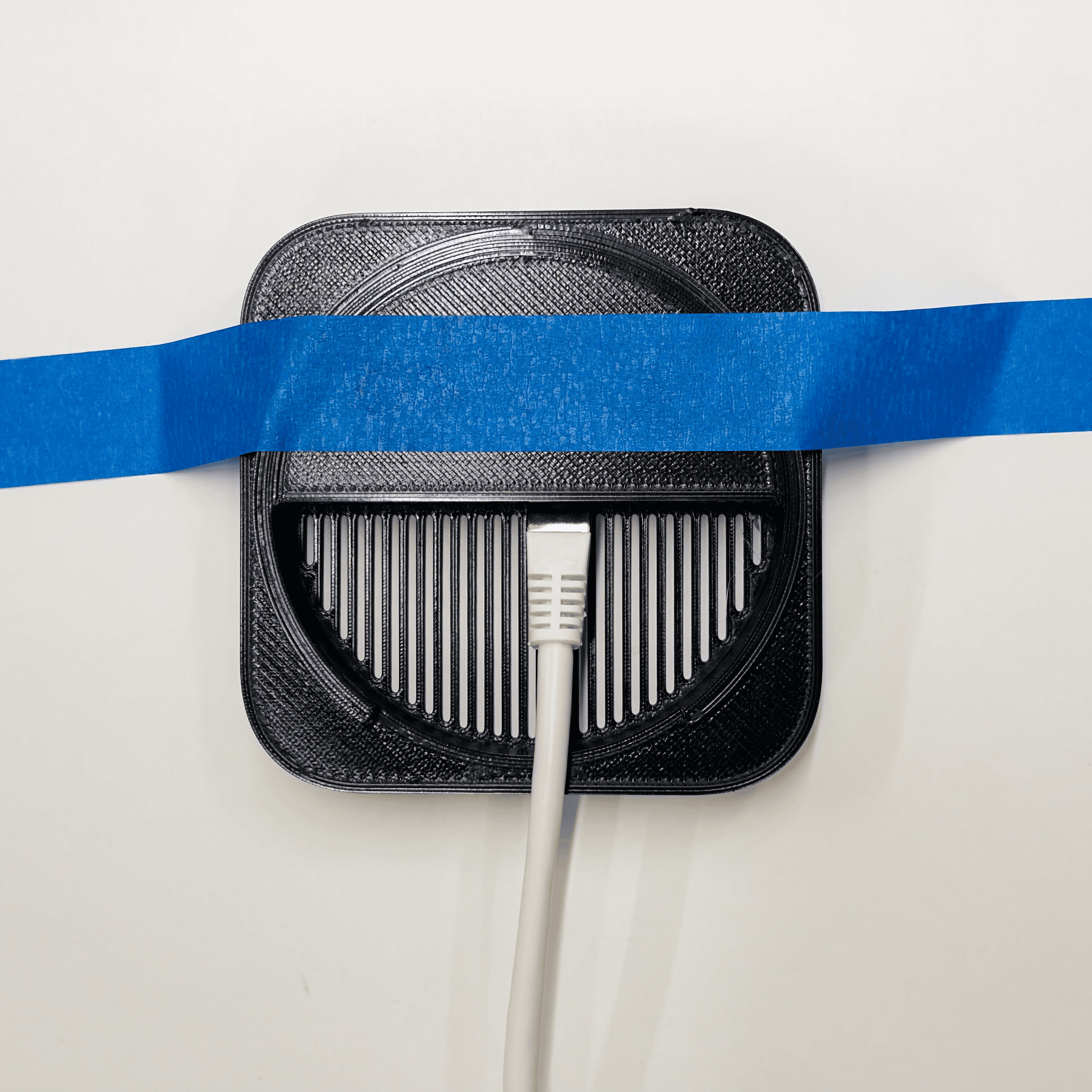
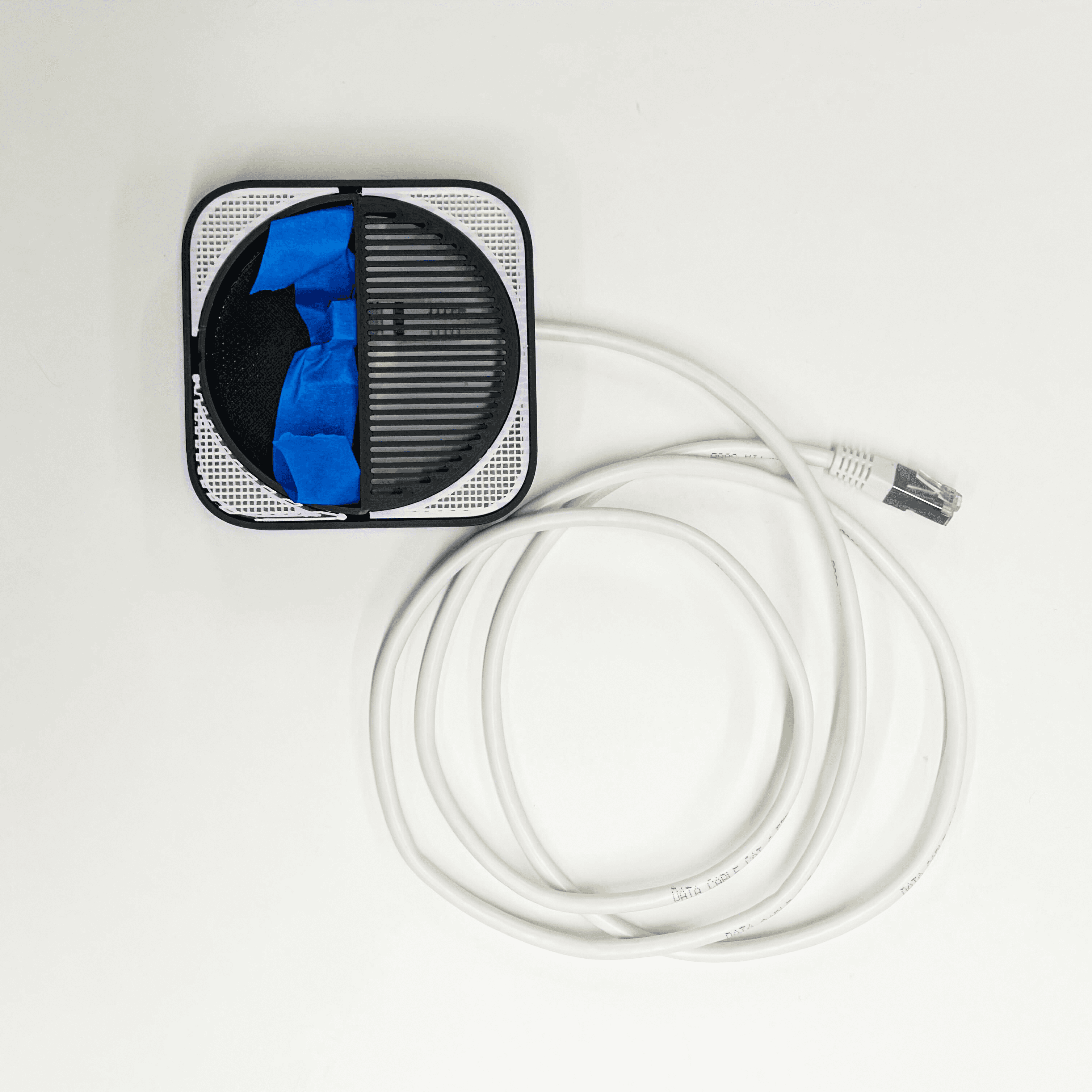
Process